



-
Proud to be HUFLITers #07 | M.A. Tran My Uyen – A lectern where a teacher wishes only to “watch her children grow up”At the HUFLIT Faculty of Foreign Languages, M.A. Tran My Uyen (Vice Dean) goes by many names. Some call her “Ms My”; her students call her “mother”. Colleagues often compare her to Mother Au Co with a hundred children. Yet to become the “mother” of the lecture hall she is today, she went through a profound shift in thinking that completely changed a teaching philosophy built over more than 30 years.
-
New Cybersecurity Regulations: Opportunities for the Cybersecurity Field in the Digital EraThe new cybersecurity regulations taking effect on 1 July 2026 not only help complete the legal framework but also drive demand for talent in cybersecurity. This is also the moment when the discipline becomes a promising choice for young people who love technology and information security.
-
“GenZ Major Insights 2026” – Episode 9: Boundless Journeys with HUFLIT’s Tourism and Hospitality ProgramsMany students choose the Tourism and Hospitality field simply because they love to travel. But passion alone is not enough to pursue this field in the long run. What matters more is understanding the nature of the discipline, its professional requirements, and the qualities needed to grow in a professional service environment.
HUFLITERS trains positive and critical thinking
NGÀY: 01/04/2025
Chia Sẻ Qua
With the aim of helping students know how to express constructive opinions, respect differences, communicate effectively and apply critical thinking in practice to make wise decisions, contributing to improving skills and confidence in life, the Faculty of Economics and Finance organized a skills workshop “Positive and critical thinking” with the participation of many students of the school.
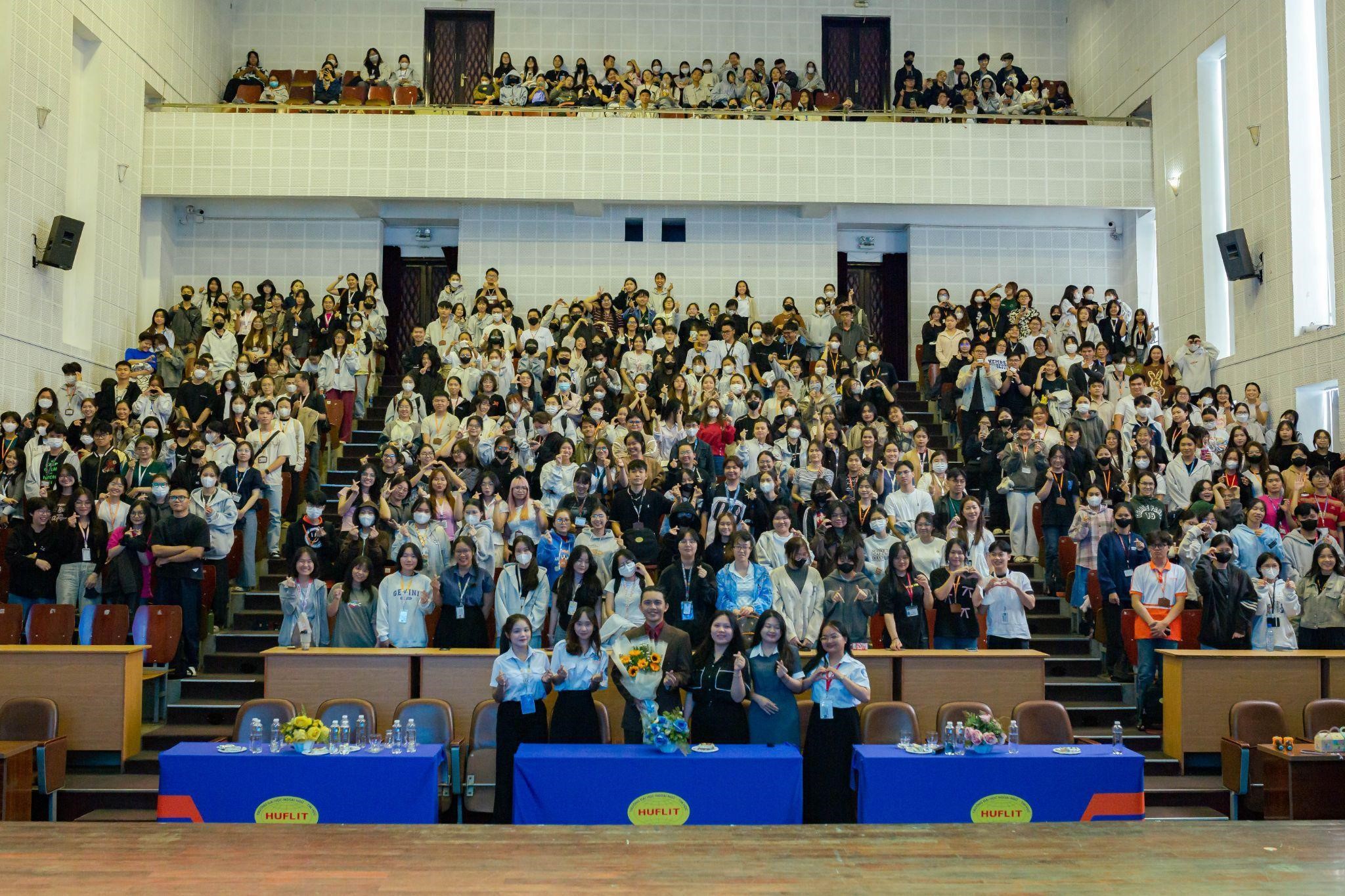
HUFLIT students take souvenir photos with Speaker Do Ngoc Quoc Thong
The workshop provided students with practical lessons and valuable experiences from speaker Do Ngoc Quoc Thong – CEO & Founder of the Nomad Mindset Training Academy and a speaker/lecturer in Critical Thinking. Students were exposed to methods that help them think more logically, sharply and effectively in all situations. This is an opportunity for them to equip themselves with the necessary skills to handle problems intelligently and flexibly.
In his sharing, speaker Do Ngoc Quoc Thong brought new perspectives on positive and critical thinking in life. He emphasized that positive thinking is not simply looking at things optimistically, but also requires being realistic and flexible. He gave many examples of how each person can practice this thinking in daily life, such as: When facing difficulties, instead of focusing only on the negative aspects, we can find hidden opportunities within that challenge. The speaker suggested that asking yourself questions like “What can I learn from this situation?” will help each person change their approach to the problem.
The speaker emphasized that to have good critical thinking, students need to know how to question information instead of passively accepting everything. Asking questions like “Why do I believe this?” , “Is there evidence to support this view?” will help train the ability to think logically and analyze more deeply.
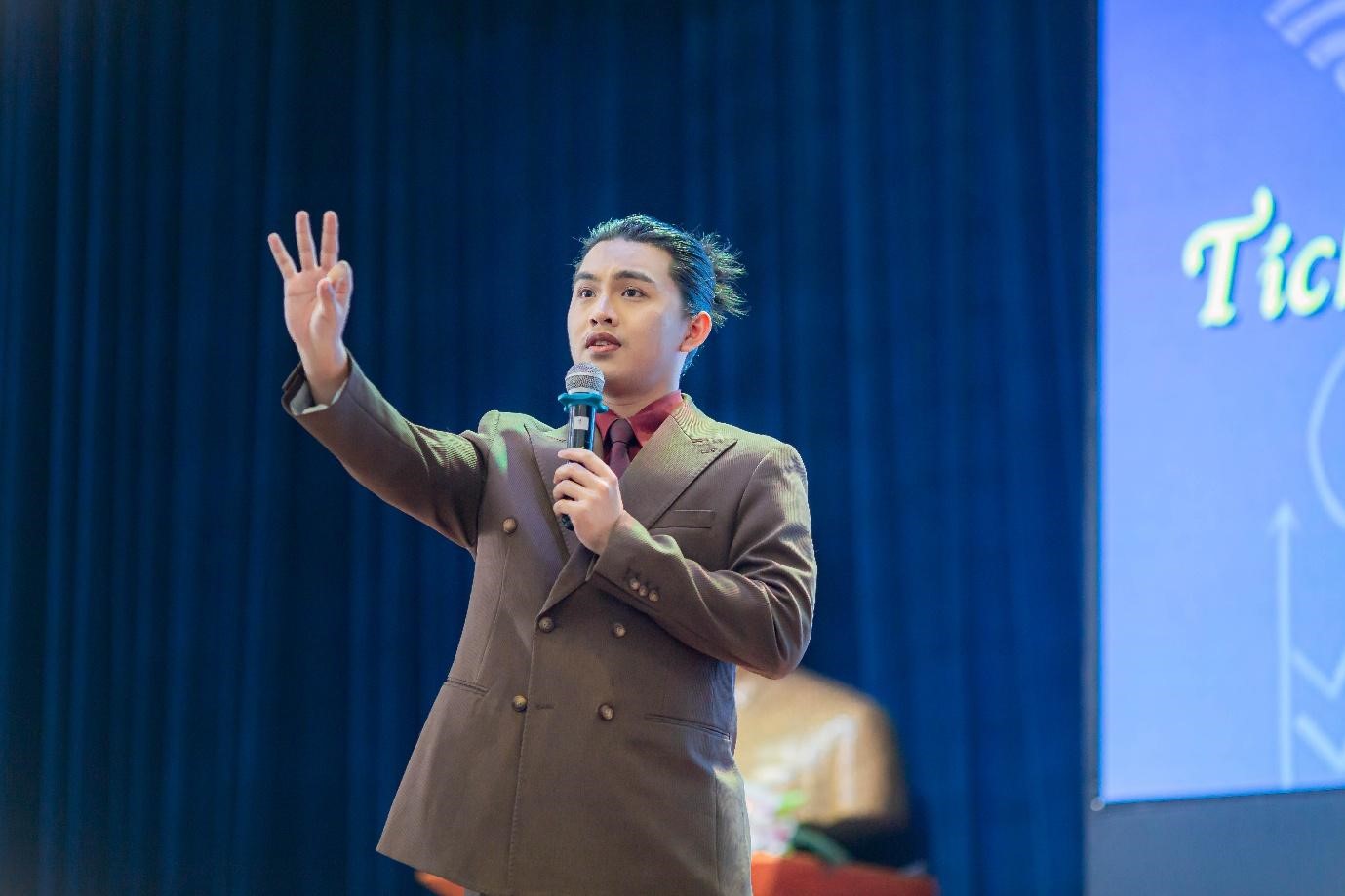
Speaker Do Ngoc Quoc Thong - CEO & Founder of the Nomad Thinking Training Academy and speaker/lecturer in Critical Thinking training
Through real-life situations, the speaker guides students on how to look at a problem from different perspectives, avoiding being influenced by personal prejudices or emotions. He also shares how to make decisions based on data and analysis instead of emotions.
The speaker also encouraged students to practice this mindset in their daily discussions and debates. By listening to opposing opinions, making strong arguments, and learning to criticize constructively, each person will improve their ability to communicate and absorb new knowledge more effectively.
Applying critical thinking to study and work not only helps students make informed decisions but also improves their ability to debate, express opinions convincingly and respect differences. The workshop helped students learn how to build strong arguments, thereby being able to communicate more effectively, avoiding unnecessary misunderstandings and arguments.
Through real-life situations, the speaker guides students on how to look at a problem from different perspectives, avoiding being influenced by personal prejudices or emotions. He also shares how to make decisions based on data and analysis instead of emotions.
The speaker also encouraged students to practice this mindset in their daily discussions and debates. By listening to opposing opinions, making strong arguments, and learning to criticize constructively, each person will improve their ability to communicate and absorb new knowledge more effectively.
Applying critical thinking to study and work not only helps students make informed decisions but also improves their ability to debate, express opinions convincingly and respect differences. The workshop helped students learn how to build strong arguments, thereby being able to communicate more effectively, avoiding unnecessary misunderstandings and arguments.
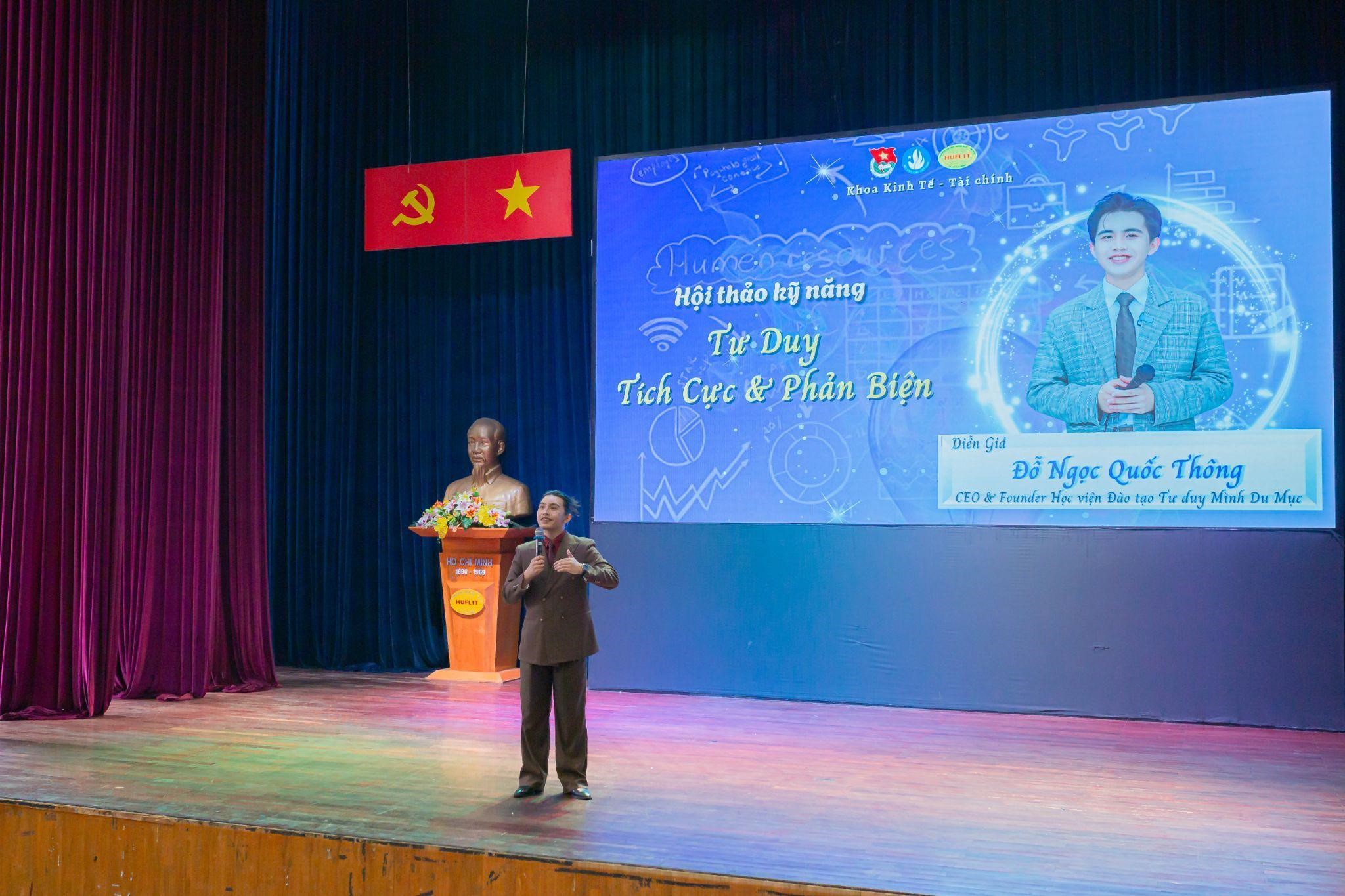
Speaker Do Ngoc Quoc Thong shares methods of positive and critical thinking.
Not only listening to the speakers, the seminar also opens up opportunities for students to directly interact, ask questions and discuss with experts. This is an opportunity for students to learn, improve their knowledge as well as expand their relationships with people with similar interests. Direct exchanges with speakers will help students apply knowledge immediately into practice, improve their thinking and approach problems more creatively.
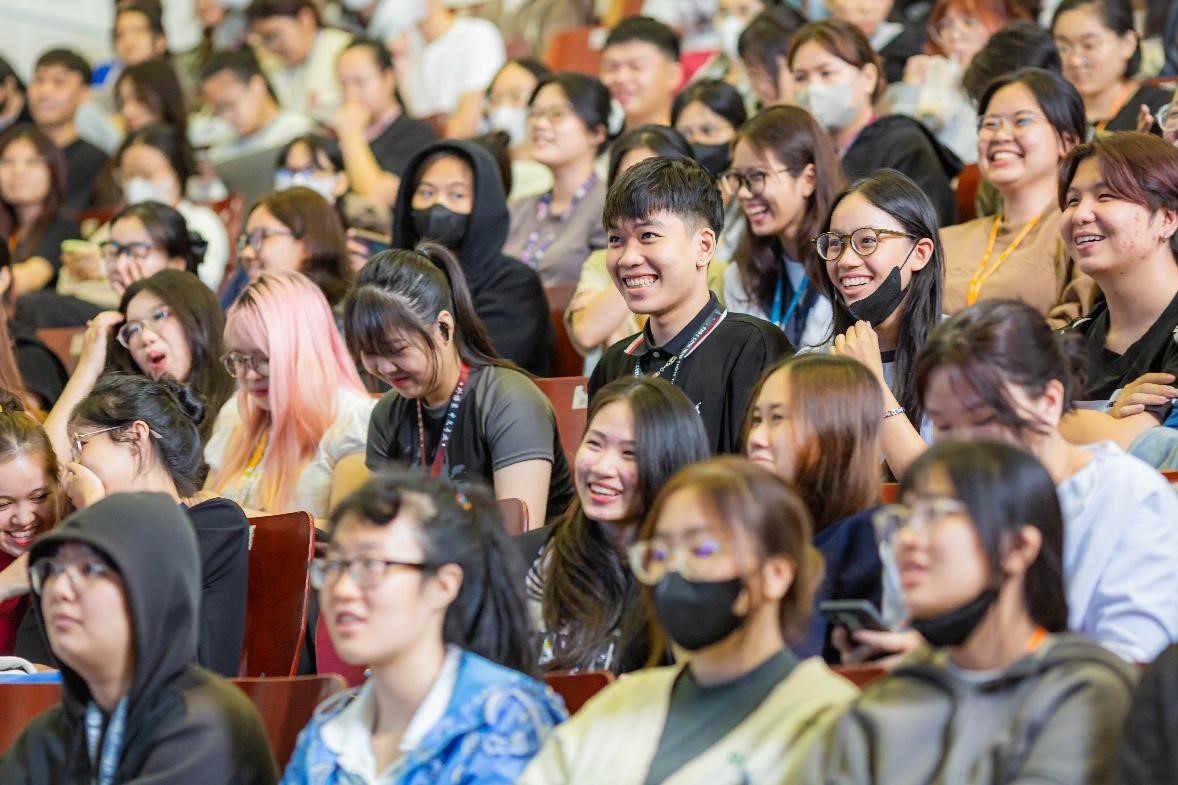
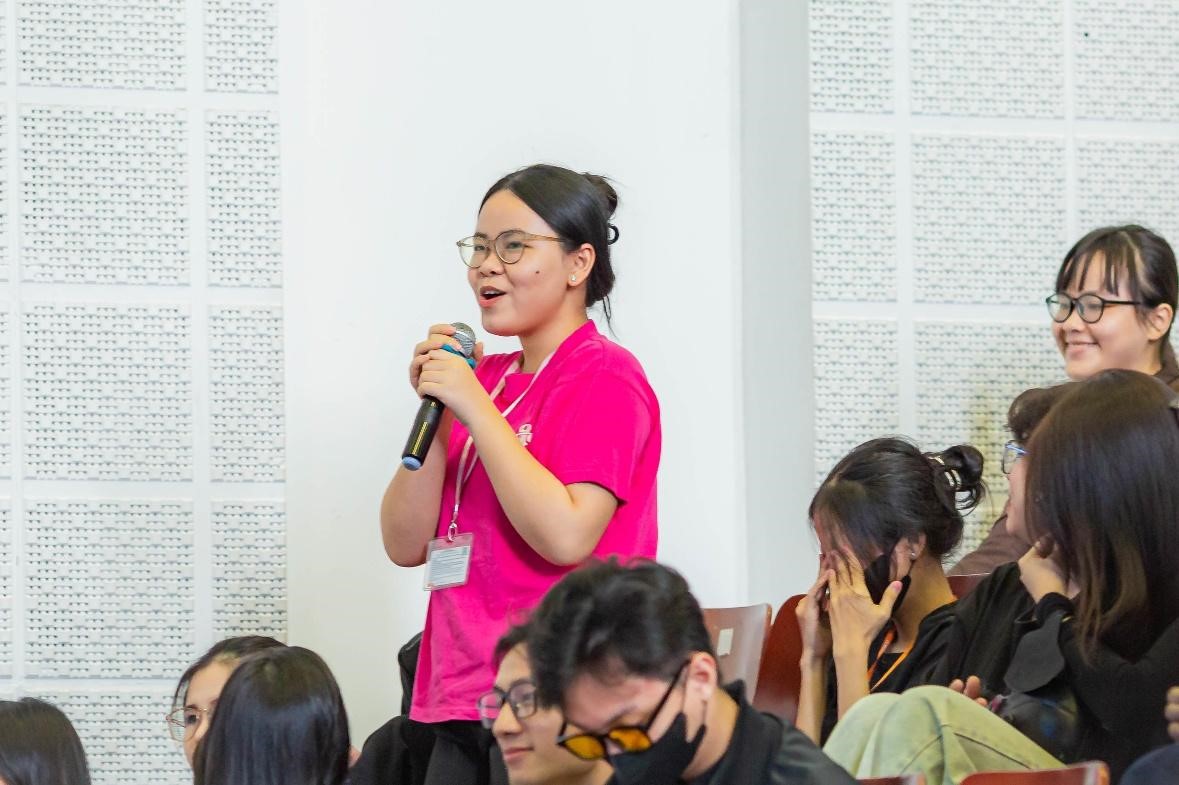
Image of students actively participating in asking questions
The workshop “Positive and Critical Thinking” is not only a place to learn but also a space for students to develop themselves, raise awareness and equip themselves with important life skills. The knowledge and experience that the speakers bring will be useful tools to help students face challenges more intelligently and effectively.
CONTACT INFO
Apply for admission at
tuyensinh.huflit.edu.vn
Find out information
huflit.edu.vn
Advising education enrollment