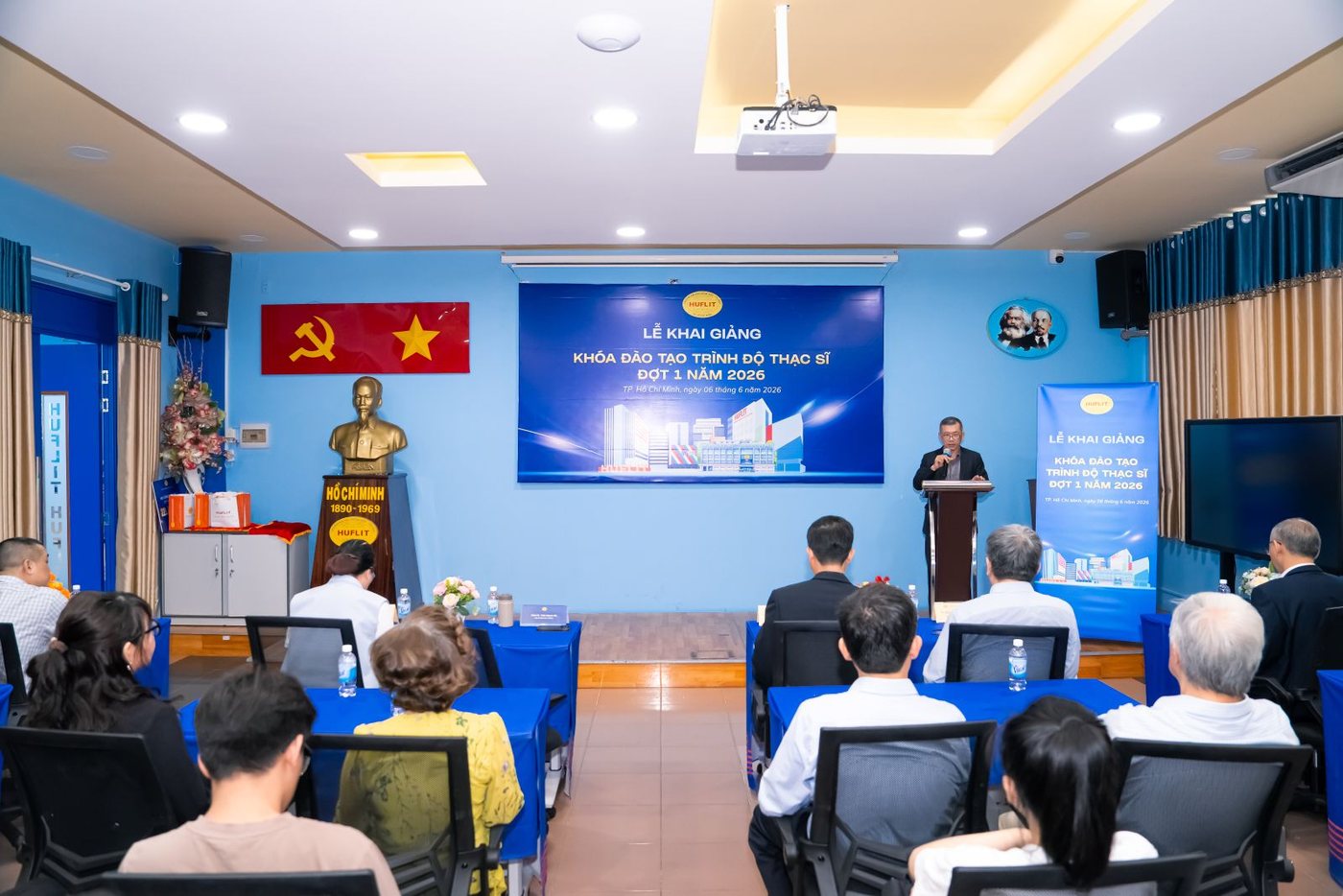
Research seminars and guided inquiry
Concentrating on critical reading, synthesis of the literature, formulation of research questions and comparison of approaches and methodologies in language research.

The Master of English Language programme (programme code 8220201) at HUFLIT: 60 credits (approximately 105 ECTS), taught in English, with 2 graduation pathways — a Thesis on the research track or an Applied Project on the application track — and an English exit standard at level 5/C1.
The Master of English Language programme at HUFLIT runs for about 2 years and concentrates on advanced content in linguistics, culture, English language teaching, translation and research.
The programme sets out to develop professional capability, research ability and the application of knowledge in practice, meeting the needs of work in education, business and international integration.
Educating advanced language professionals and emerging researchers who can analyse language and communication critically, conduct or apply research, and communicate in English at level C1 and above.
The programme is taught in English and designed to level 7 of the Vietnamese Qualifications Framework, adding transparency and international comparability.
Students may choose a Thesis on the research track or a Graduation Project on the application track, suiting both those pursuing an academic path and those already in professional practice.
The programme brings together linguistics, applied linguistics, teaching, assessment, translation and interpreting, educational technology and computational linguistics, widening professional capability across many fields.
The programme emphasises academic cooperation, international conferences and seminars, and exchange with visiting lecturers and overseas scholars, widening the professional and research network.
An entry requirement from level 4/B2 and an exit standard from level 5/C1 upward help assure the ability to use English in international academic and professional settings.
The programme is delivered jointly by the Faculty of Foreign Languages and the Postgraduate & Science-Technology Office, assuring the link between subject expertise, training organisation and postgraduate academic activity. Classes are held on weekends only, convenient for students who are working while studying.

The programme is arranged over a pathway of 04 semesters. Where an extension is needed, students may extend their study period in line with the University regulations.
Providing foundational knowledge and research methodology, covering Philosophy, Research Methods in Applied Linguistics, Introduction to Applied Linguistics and a choice of Academic Writing or Second Foreign Language – Chinese.
Focused on building disciplinary knowledge through Contrastive Linguistics and Second Language Acquisition, plus a choice of 02 of the 03 foundational courses Discourse in Interaction, Cognitive Linguistics and Language – Culture – Society, totalling 6 credits.
Advanced work in language teaching, research and application, such as Management in Language Education, Language Teaching Theory and Practice, Computational Linguistics and Classroom-based Assessment. Students also choose 03 of the 05 advanced courses Advanced Language Teaching Methodology, Translation and Interpreting Theory, ICT in Language Teaching and Learning, Syllabus Design and Materials Development, and English as a Medium of Instruction, totalling 9 credits.
Students choose one of two graduation pathways. The research track completes a Graduation Thesis. The application track completes an Applied Graduation Project (8 credits) together with Sociolinguistics and Pragmatics.
Concentrating on critical reading, synthesis of the literature, formulation of research questions and comparison of approaches and methodologies in language research.
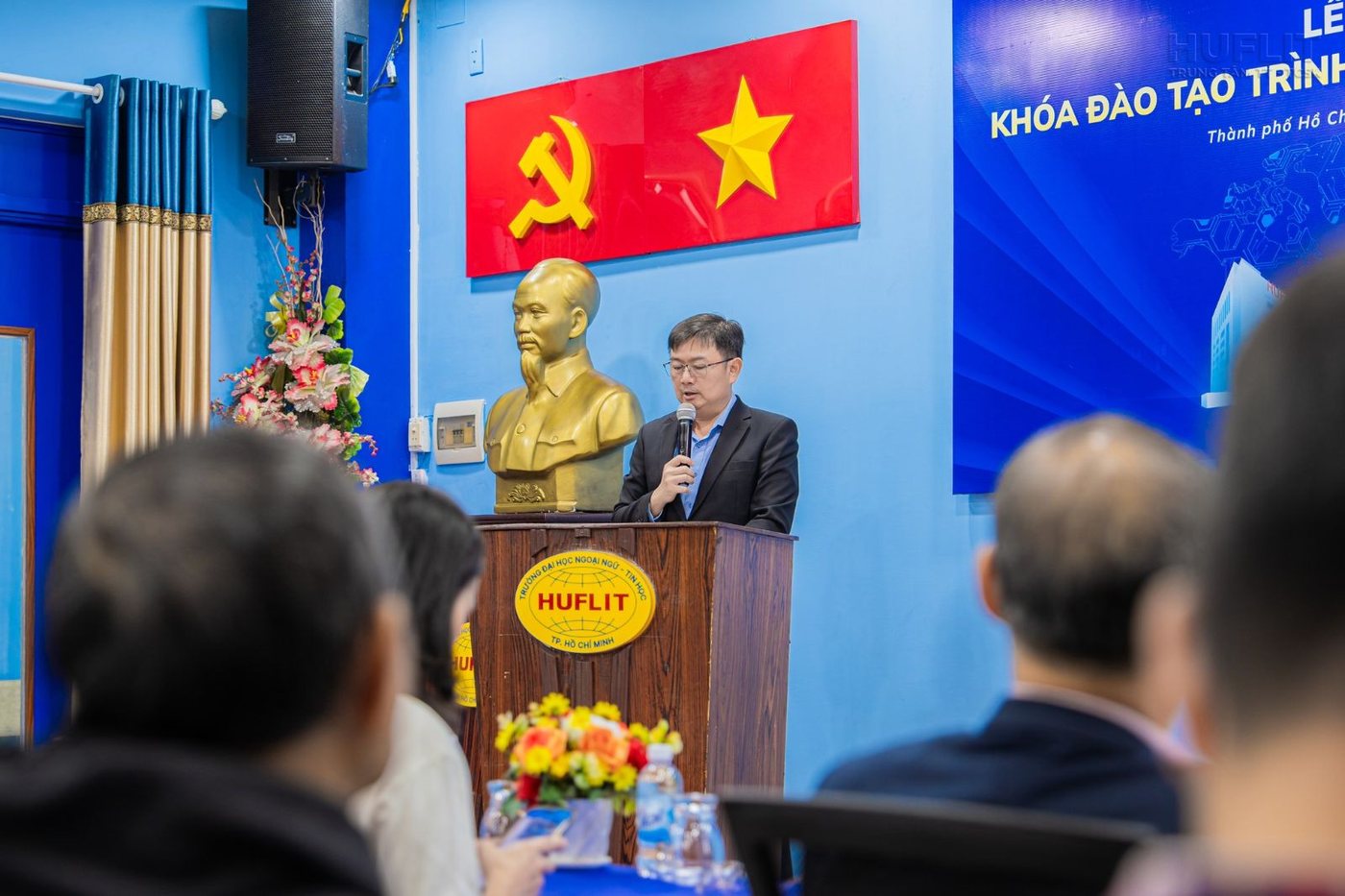
Combined with Case Analysis, so that students apply knowledge to real problems in language, teaching, testing and assessment, translation and interpreting, and technology applications.
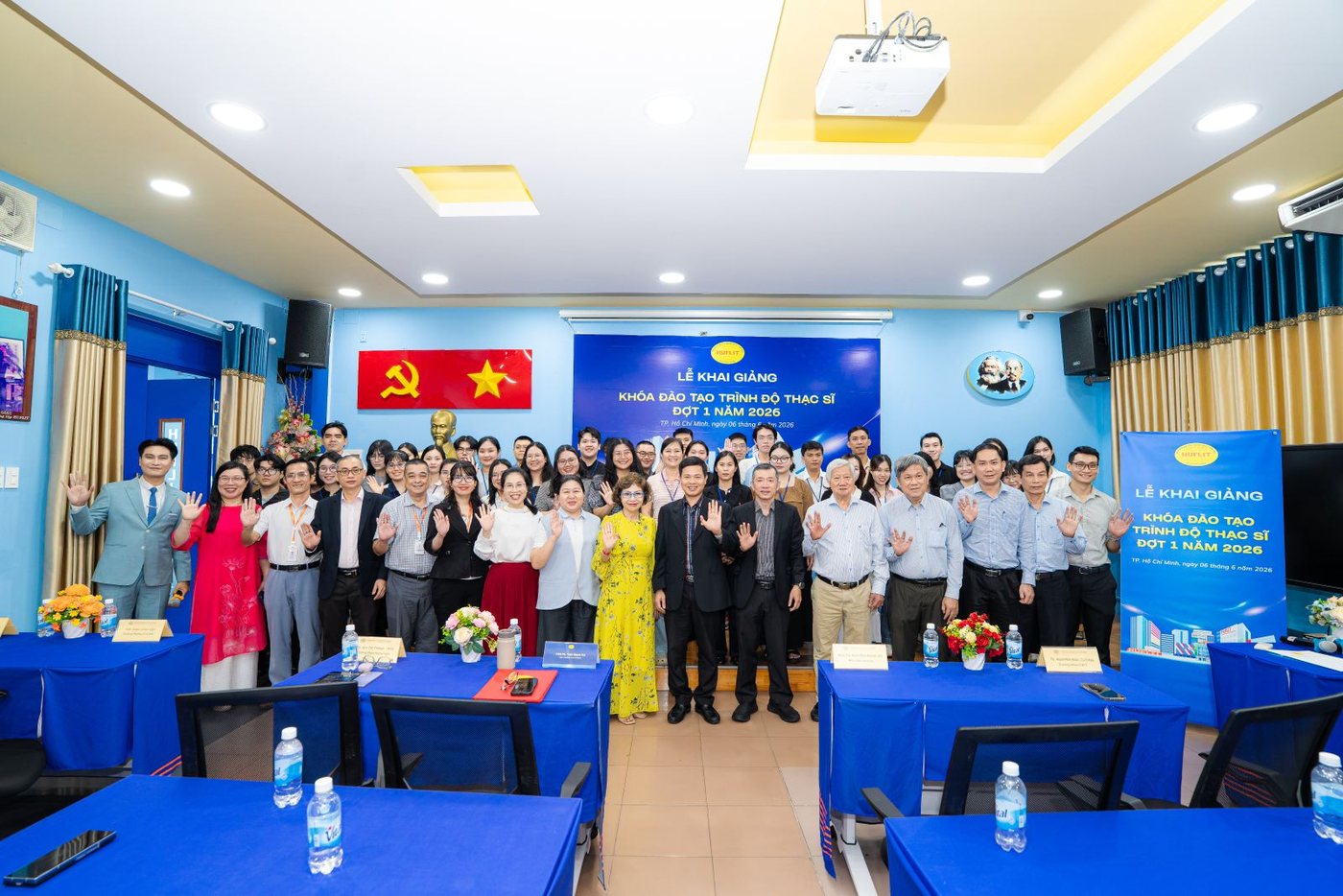
Activities on corpora, computational linguistics, assessment design and data analysis, combined with lectures, discussion, debate, presentation and blended online learning through the LMS, while encouraging appropriate and responsible use of AI in study and research.
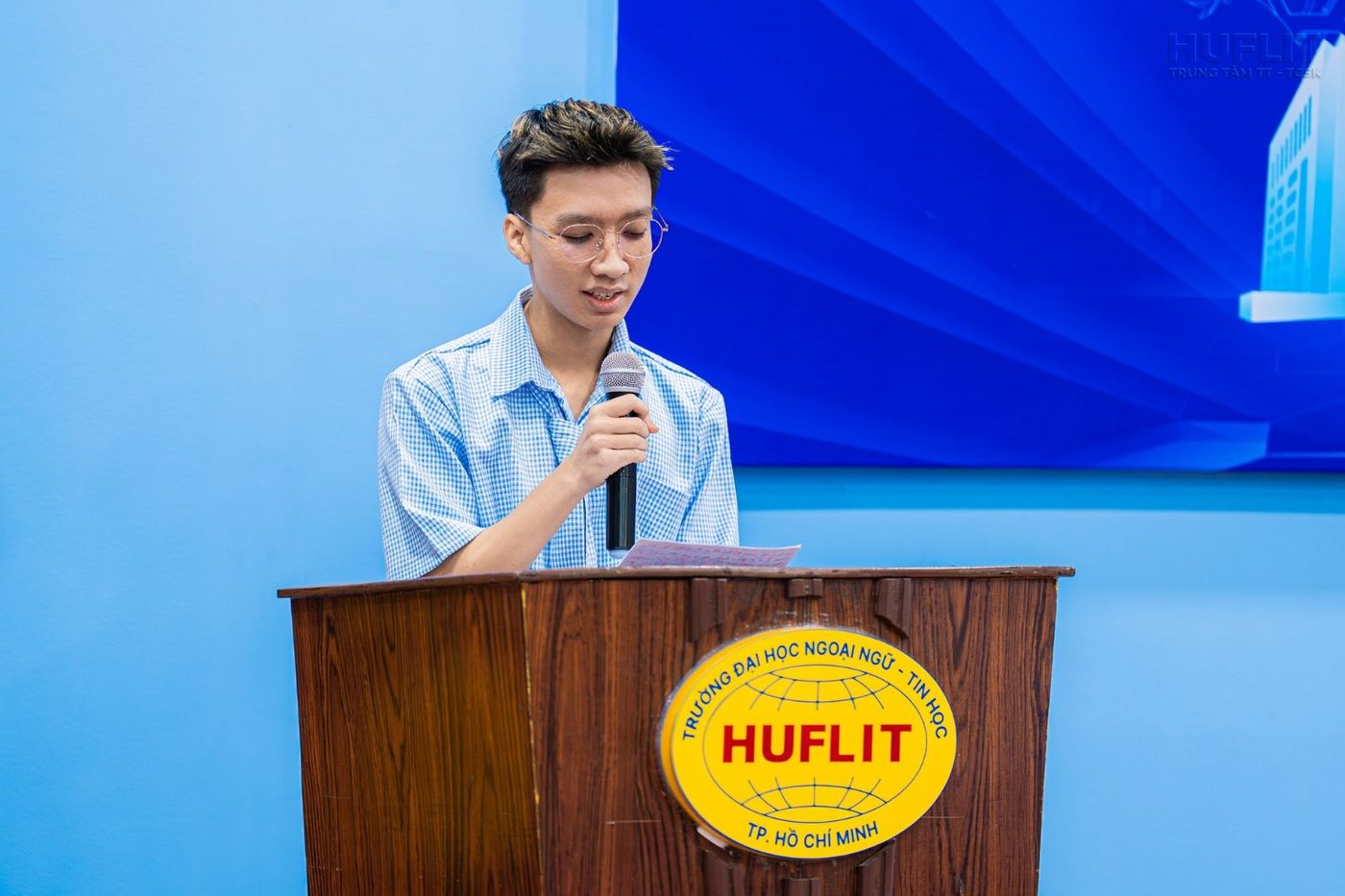
Aimed at building independent research capability for the graduation thesis or project, with specific milestones and regular feedback from supervisors. Training is also tied to professional and international activities such as visiting lecturers, conferences and seminars, and cooperation with domestic and overseas partners.
Detailed syllabi for every course of the Master of English Language programme — objectives, course learning outcomes, assessment methods and references — are kept up to date on the Postgraduate Portal.
View course syllabi
Explain and critically synthesise advanced theories and concepts in English linguistics and applied linguistics; analyse and interpret language, discourse, cultural and interactional data using contrastive, cognitive, sociolinguistic and pragmatic frameworks.
Formulate research problems and design qualitative, quantitative, mixed-methods, corpus-based or computational research rigorously and ethically; evaluate current practice and propose evidence-based solutions in teaching, assessment, curriculum and materials, translation and interpreting, and language education management.
Use digital, corpus, computational and AI tools critically, transparently and responsibly to research language and to develop research and professional outputs.
Communicate complex academic and professional content in English at level 5/C1 and above (written, spoken, visual and numerical); integrate interdisciplinary and international perspectives, collaborate effectively and adapt to linguistic, cultural and learner diversity.
Demonstrate academic integrity, professional ethics, data protection and responsible use of AI; work independently, manage complex projects, make evidence-based decisions, lead change and pursue continuous professional development.
Complete and successfully defend an independent graduation thesis or project that integrates advanced knowledge, appropriate methods, critical evaluation and a valuable contribution.
Working at universities, general education institutions and language training organisations in roles such as lecturer, teacher, curriculum development specialist, assessment officer and professional development officer.
Taking on roles in training management, academic coordination and quality assurance, while also taking part in research in linguistics, education and interdisciplinary fields.
Building a career in translation and interpreting, intercultural communication, language services, educational technology, computational linguistics, digital content development and AI applications in language processing.
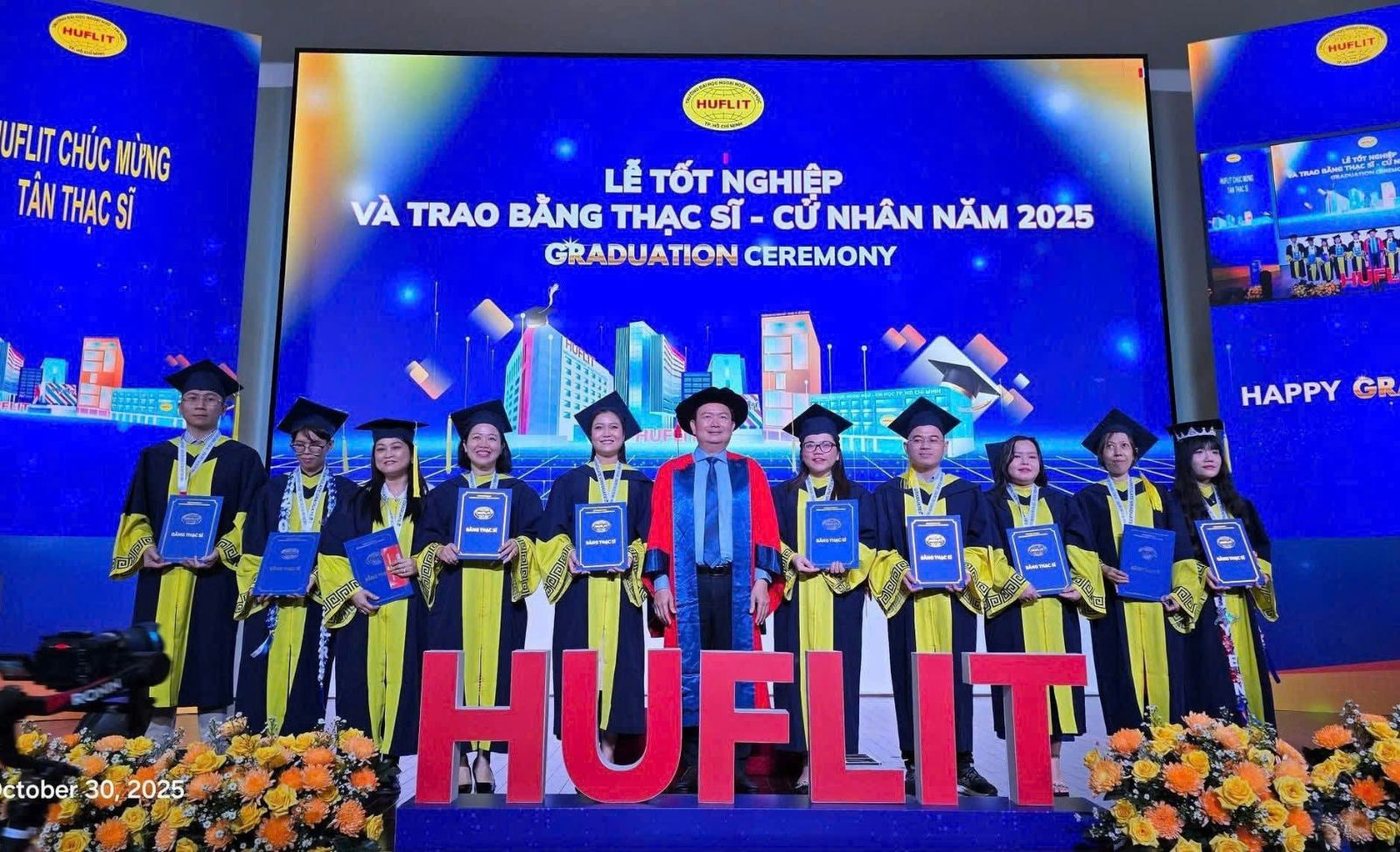
Opportunities to work at enterprises, international organisations, diplomatic agencies and public or private bodies with high demands on English proficiency, analytical thinking and professional communication.
Continuing study and research at doctoral level, widening the path towards research, teaching and advanced specialist roles.
Applicants who have graduated (or hold an equivalent qualification) from a relevant or related undergraduate programme: English Language, English Literature and Language, English Language Teacher Education, Applied Linguistics, Linguistics, Contrastive Linguistics, Translation and Interpreting, Education, Educational Management, Cultural Studies, Psychology, American Studies, English Studies, Literature and similar (appraised through the academic transcript).
The usual entry standard is level 4/B2 or equivalent (except where a prior qualification already grants exemption); the exit standard is level 5/C1 and above.
Applied to related or different disciplines, based on a comparison of the academic transcript: Morphology and Syntax (3 credits), Semantics (3 credits), Phonetics and Phonology (3 credits), English Language Teaching Theory and Methodology (3 credits), Translation and Interpreting Theory and Methodology (3 credits).
Applying the principle of transparent comparison of level, learning outcomes, workload, content, assessment and results (in the spirit of the Lisbon Recognition Convention), with a documented decision and an appeals procedure.
Course list, credit load and the schedule for each semester.
Objectives, learning outcomes and references for each course.
Admission schedule, application documents and registration guidance.
Look up documents, regulations and academic results.