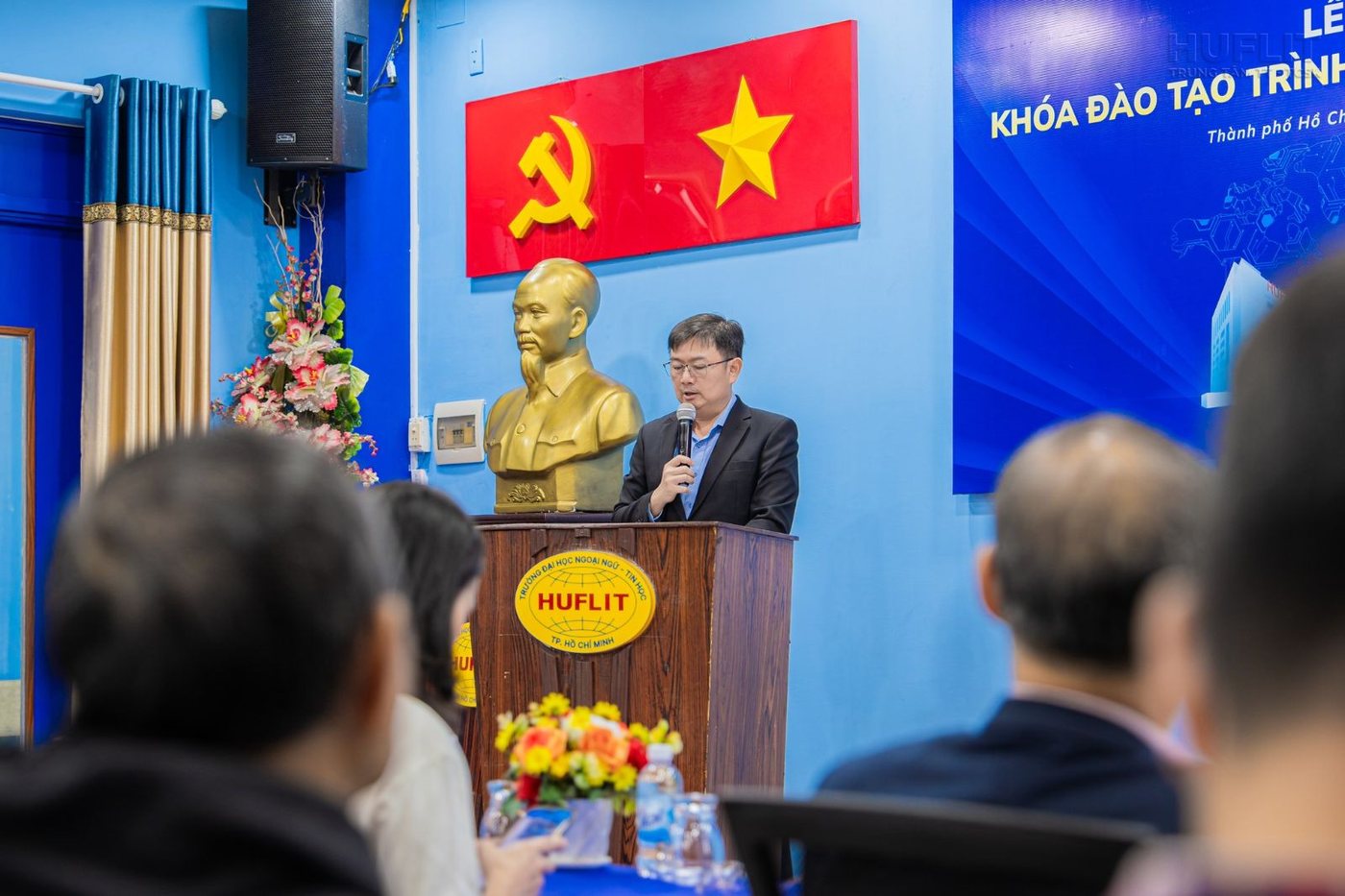
Direct instruction
Methods such as Explicit Teaching, Lecture and Guest Lecture, suited to systematising knowledge and clarifying advanced concepts and content.

The Master of Information Technology programme at HUFLIT, programme code 8480201, carries 60 credits and is designed along two orientations: application and research. Its content emphasises current technology trends such as Artificial Intelligence (AI), Big Data, Blockchain and digital transformation, meeting the demands of professional development, research and applied technology in practice. The programme is managed and delivered by the Postgraduate & Science-Technology Office.
HUFLIT sets out to train Masters of Information Technology who hold sound professional ethics, a solid foundation of specialised knowledge, a research mindset and the capacity to apply advanced technology.
Graduates are able to analyse and solve in-depth problems, adapt to the rapid pace of technological change, and meet the increasingly demanding requirements of the information and communication technology sector in the context of digital transformation and Industry 4.0.
HUFLIT sets out to train Masters of Information Technology with a solid foundation of specialised knowledge, a research mindset and the capacity to apply advanced technology.
Engaging with current technology fields such as AI, Big Data, Blockchain and digital transformation.
Choose the application or the research orientation to suit your career goals.
Consolidating in-depth knowledge, research skills and the ability to solve real-world IT problems.
Guidance from lecturers and experts experienced in training, research and applied technology.
A foundation for advancing to expert, management, research or teaching roles in the IT field.
Opportunities for academic connection, professional exchange and the development of research and applied technology projects. Classes are held on weekends only, convenient for students who are working while studying.

The programme runs over 04 semesters across 02 years, keeping the training schedule on track and balancing foundational knowledge, specialised knowledge and research or practical work.
Focused on foundational and in-depth knowledge, including: Scientific Research Methodology; compulsory disciplinary courses such as Knowledge Discovery and Data Mining, Deep Learning and Applications, Advanced Computer Vision, together with 02 elective specialised courses.
Completing the specialised courses with the remaining 02 elective specialised courses; carrying out the specialised internship project or seminar and the outline of the master project or thesis. In the final stage, students complete a Master Project for the application orientation or a Master Thesis for the research orientation.
The programme runs over 04 semesters across 02 years, keeping the training schedule on track and balancing foundational knowledge, specialised knowledge and research or practical work.
Where necessary, students may extend their study period to no more than 04 years — that is, extensions in the third and fourth years — in line with the University regulations in force.
Methods such as Explicit Teaching, Lecture and Guest Lecture, suited to systematising knowledge and clarifying advanced concepts and content.
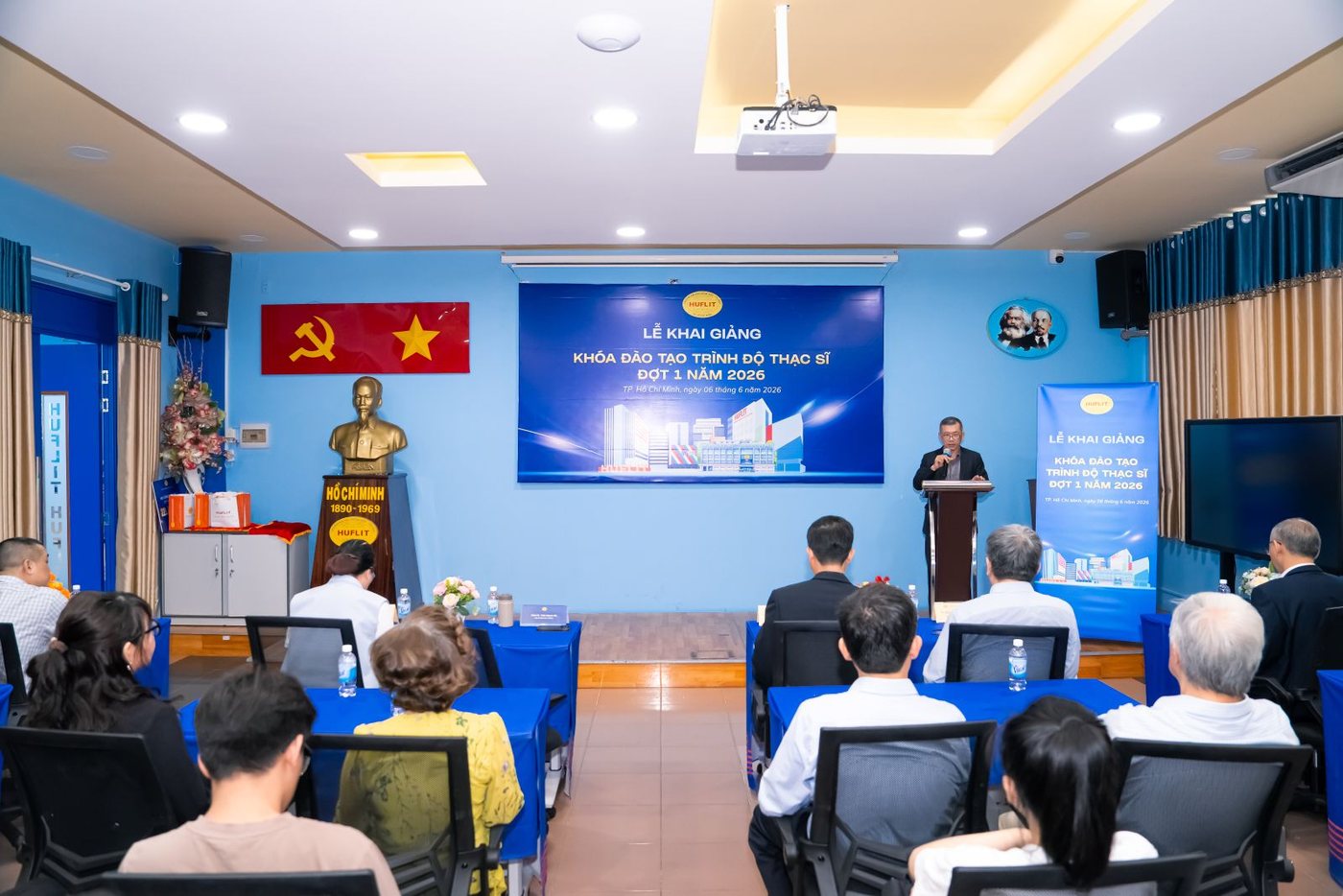
Delivered through Inquiry, Problem Solving and Case Study with the learner at the centre, developing critical thinking and analytical capability.
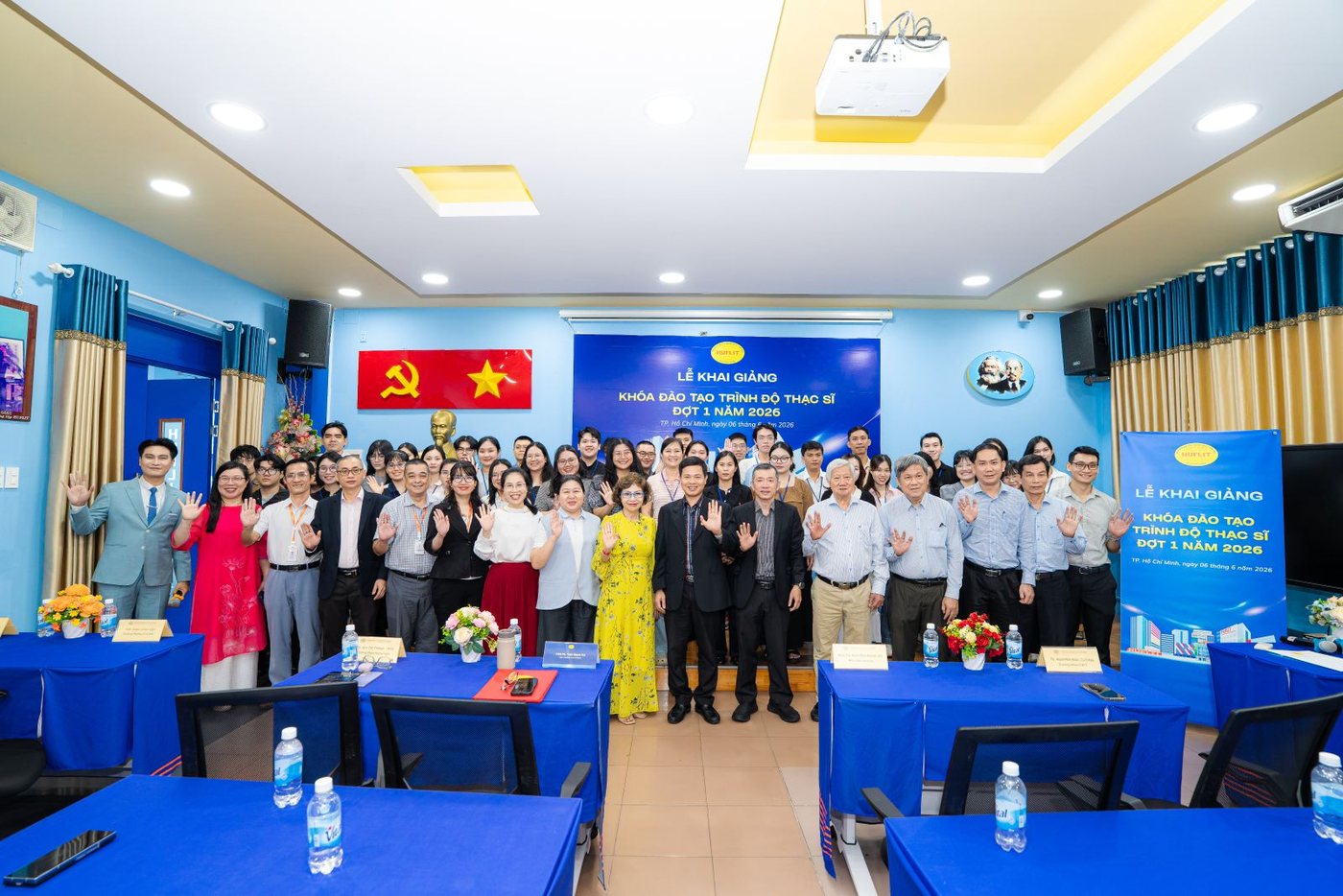
Combining Experiment, Research Team work, Debate, discussion and Peer Learning so that learners strengthen their ability to apply knowledge in practice and develop teamwork skills.
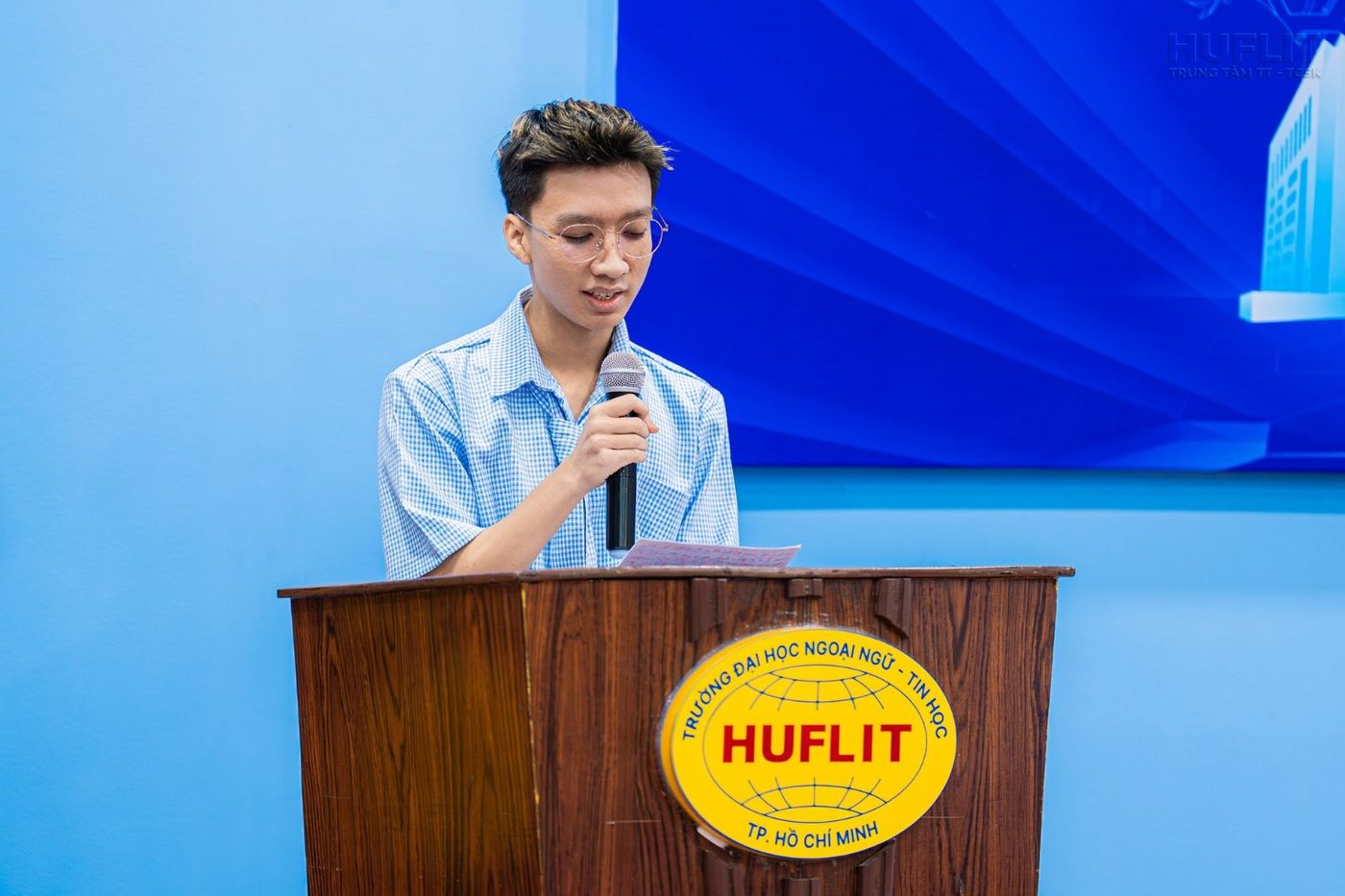
Through Work Assignments and Course Reports, encouraging learners to research independently and build their own knowledge under the guidance, supervision and assessment of lecturers.
Detailed syllabi for every course of the Master of Information Technology programme — objectives, course learning outcomes, assessment methods and references — are kept up to date on the Postgraduate Portal.
View course syllabi
Hold solid and in-depth knowledge of information technology.
Master and creatively apply modern information technology techniques in the Industry 4.0 era.
Have the skills to build, advise on, organise and manage information technology projects within enterprises.
Communicate specialised matters effectively in order to exchange information with partners.
Demonstrate sound professional attitude and ethics.
Show the awareness and capacity for continuous learning to raise IT knowledge and professional skills (PLO6a); have the capacity for scientific research and for taking part in research projects in the IT field (PLO6b).
Building a career in enterprises in management and senior technical positions such as CTO, CIO, CEO, Senior Engineer, Project Manager, Team Leader and equivalent roles.
Taking part in research and development: conducting research, analysing, evaluating and critically reviewing new solutions, products and technologies.
Organising and managing information technology projects — from planning and project design through to delivery, operation and management in agencies, organisations and enterprises — as well as teaching IT at higher education institutions.
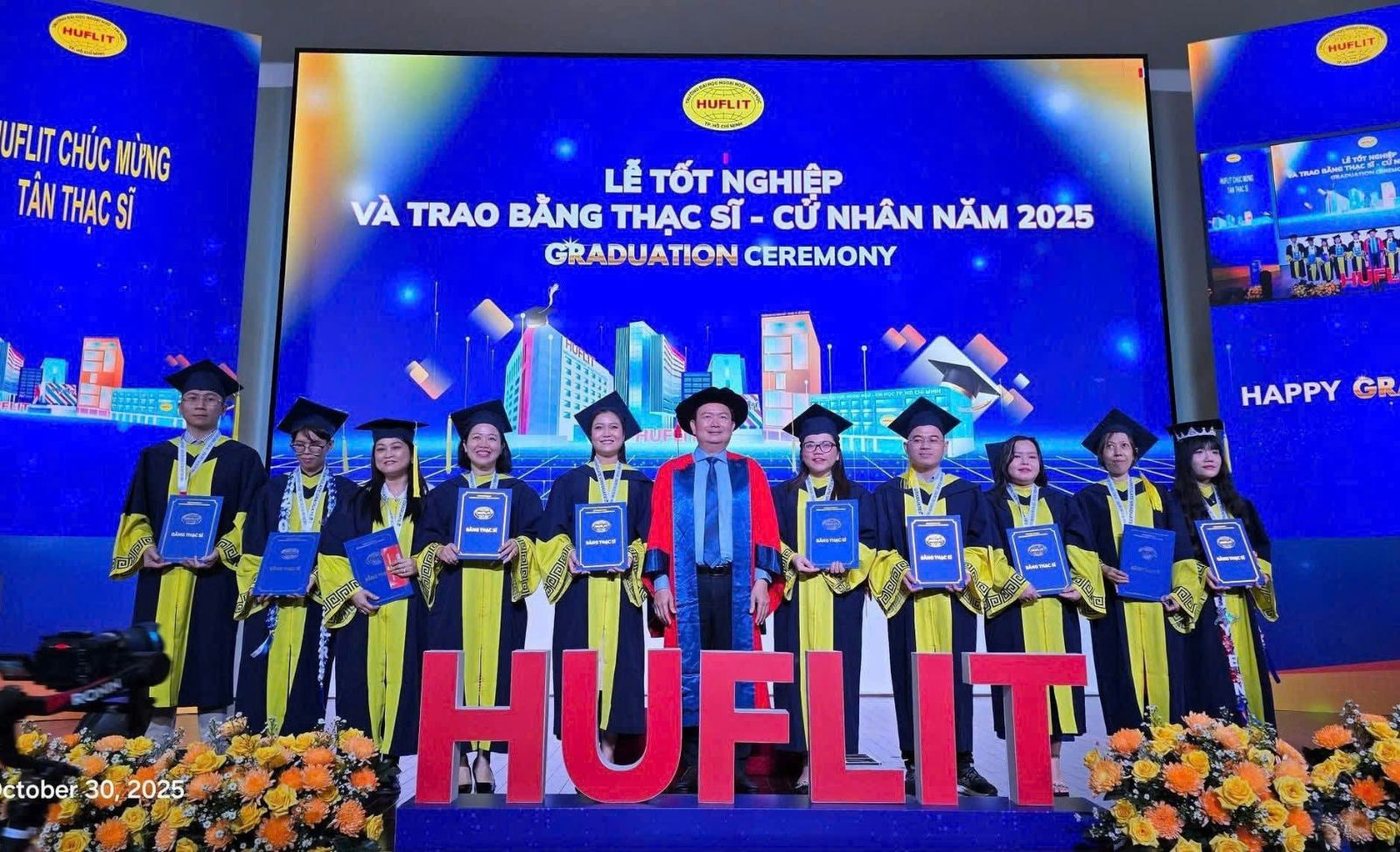
Continuing academic development, with the foundation to study, research and progress to a doctoral degree in Information Technology and related fields.
Application review combined with an assessment of specialised capability. The assessment is based on: (1) academic capability (relevant disciplinary subjects and undergraduate graduation classification); (2) English proficiency against the entry standard; (3) academic ability (research projects, publications and awards related to the field applied for); (4) work experience after graduation; (5) priority categories, if any.
Applicants who have graduated (or are eligible to graduate) from a relevant undergraduate programme, meet the specialised and English entry standards in force, have a clear personal record and are in good health for study. Candidates from a related or different discipline must complete bridging courses before the application review (the University offers bridging classes).
Bonus points in the specialised knowledge test: war invalids and persons entitled to policies as war invalids, children of martyrs, Heroes of the Armed Forces and Heroes of Labour; children of resistance activists exposed to toxic chemicals; persons with 2 or more years of service, or ethnic-minority persons with 2 or more years of permanent residence, in Region 1.
According to the quota approved and announced by the University for each year or intake, which may be adjusted to reflect registration demand and the conditions for assuring training quality.
Course list, credit load and the schedule for each semester.
Objectives, learning outcomes and references for each course.
Admission schedule, application documents and registration guidance.
Look up documents, regulations and academic results.