



-
Proud to be HUFLITers #07 | M.A. Tran My Uyen – A lectern where a teacher wishes only to “watch her children grow up”At the HUFLIT Faculty of Foreign Languages, M.A. Tran My Uyen (Vice Dean) goes by many names. Some call her “Ms My”; her students call her “mother”. Colleagues often compare her to Mother Au Co with a hundred children. Yet to become the “mother” of the lecture hall she is today, she went through a profound shift in thinking that completely changed a teaching philosophy built over more than 30 years.
-
New Cybersecurity Regulations: Opportunities for the Cybersecurity Field in the Digital EraThe new cybersecurity regulations taking effect on 1 July 2026 not only help complete the legal framework but also drive demand for talent in cybersecurity. This is also the moment when the discipline becomes a promising choice for young people who love technology and information security.
-
“GenZ Major Insights 2026” – Episode 9: Boundless Journeys with HUFLIT’s Tourism and Hospitality ProgramsMany students choose the Tourism and Hospitality field simply because they love to travel. But passion alone is not enough to pursue this field in the long run. What matters more is understanding the nature of the discipline, its professional requirements, and the qualities needed to grow in a professional service environment.
HUFLITers Learn to Recognise Financial Scams in Cyberspace
NGÀY: 15/07/2026
Chia Sẻ Qua
In response, the Youth Union and Student Association of the HUFLIT Faculty of Economics and Finance held a talkshow titled “Preventing digital financial fraud – understand it properly to protect yourself”, featuring Major Huynh Do Tan Thinh (Ho Chi Minh City Police), to equip students with the knowledge to recognise common scam tactics and the skills to protect themselves proactively in the digital environment.
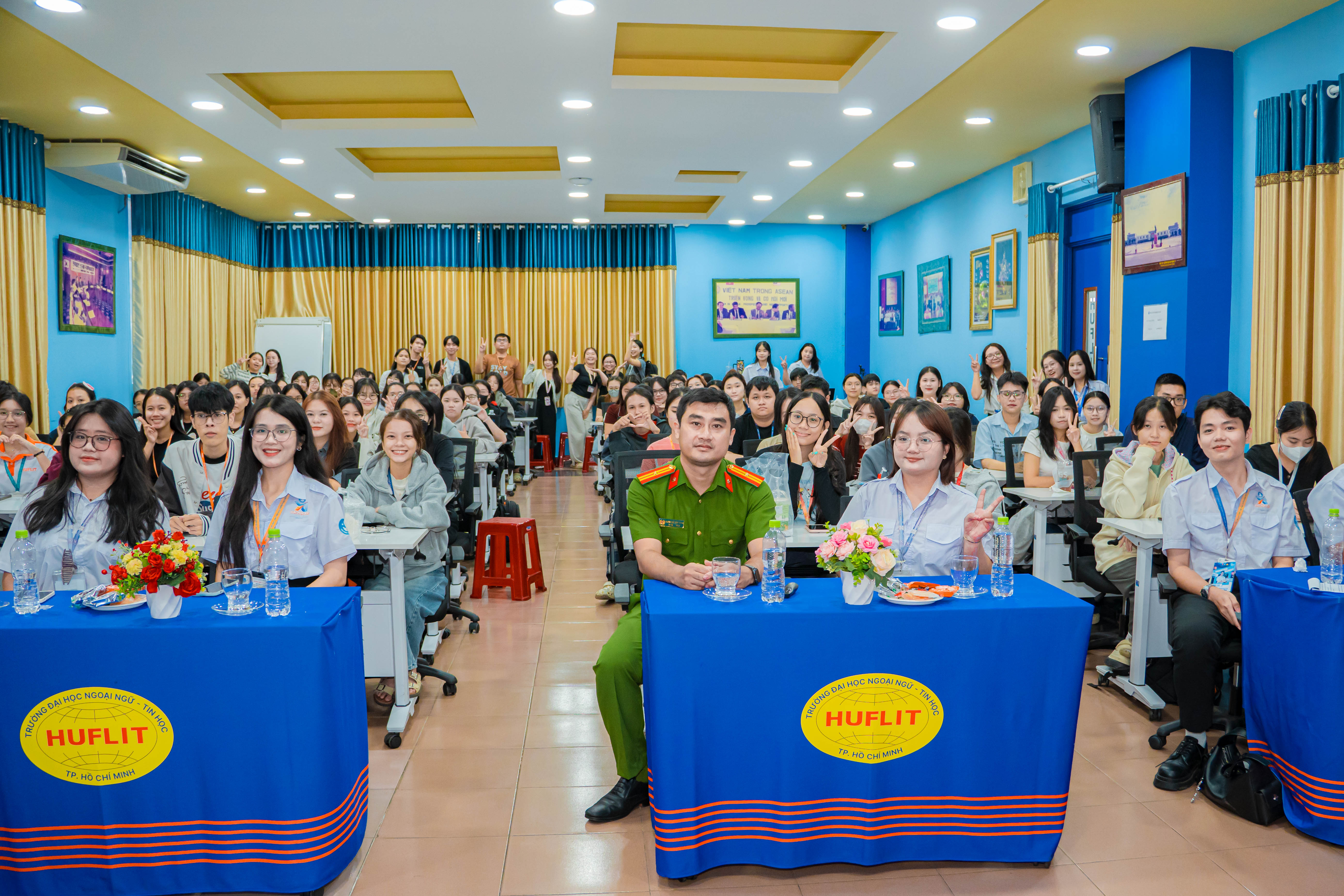
Major Huynh Do Tan Thinh with HUFLIT students
Keeping a cool head against psychological traps
Through a documentary segment and the speaker’s presentation, students were briefed on the digital financial scams currently most in circulation: impersonating government agencies, sending links containing malware, recruiting “collaborators” or offering easy work for high pay, promising super-profitable investments, and romance fraud. What these tactics have in common is exploiting panic, greed or a lapse in vigilance in order to seize the victim’s assets.
In the speaker’s assessment, technology is ultimately only a supporting tool, while the most dangerous weapon scammers use is targeting greed and manipulating the victim psychologically. The speaker identified the 03 most common groups of tactics today:
- Impersonating government agencies or reputable organisations to frighten victims into transferring money urgently.
- Tricking victims into installing malware through unfamiliar links in order to take control of their devices.
- Psychological manipulation traps based on greed, such as easy work for high pay or super-profitable financial investments.
- Romance fraud that plays on fear and worry about family members or loved ones in trouble.
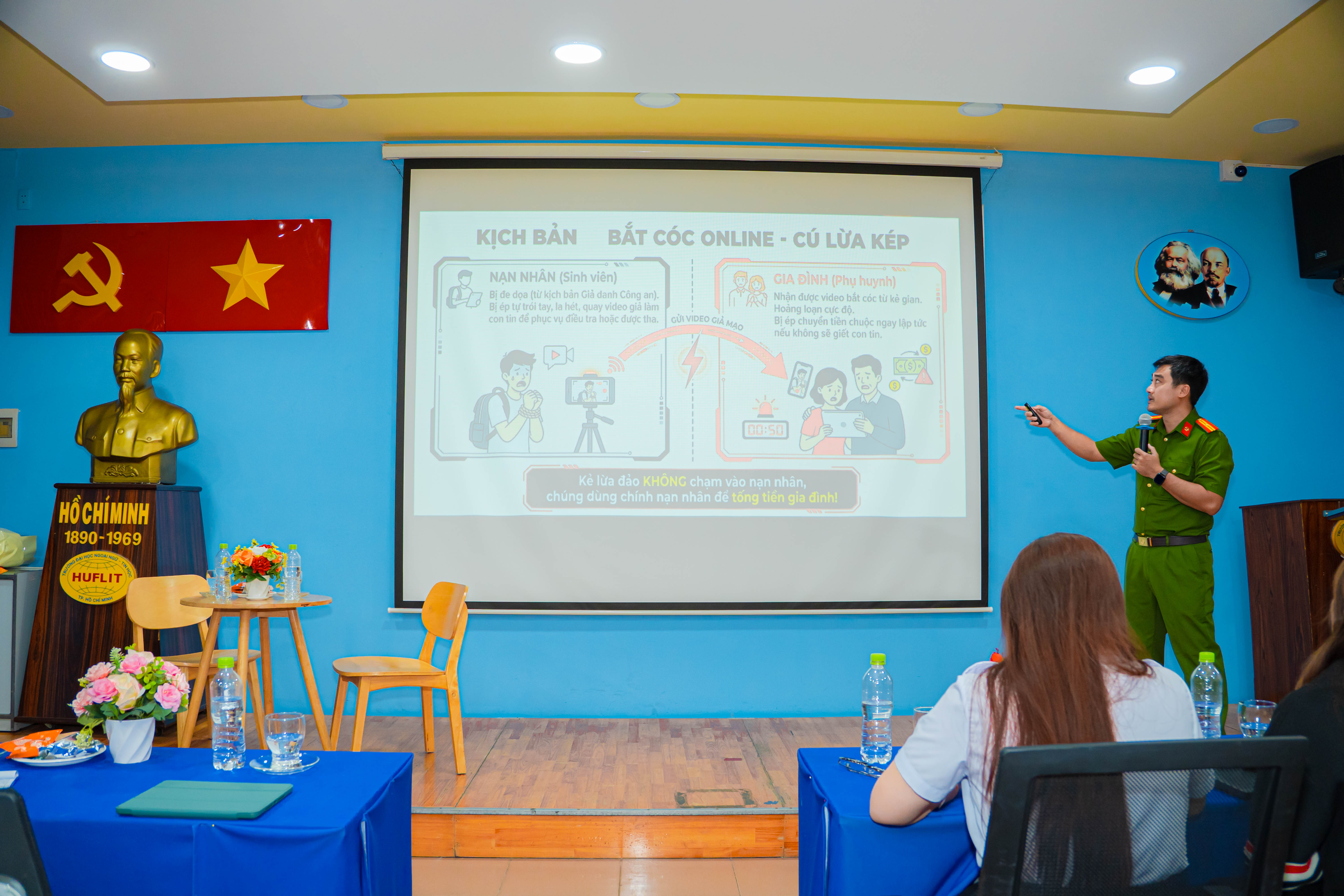
The speaker set out the 03 most common groups of tactics so students can avoid them.
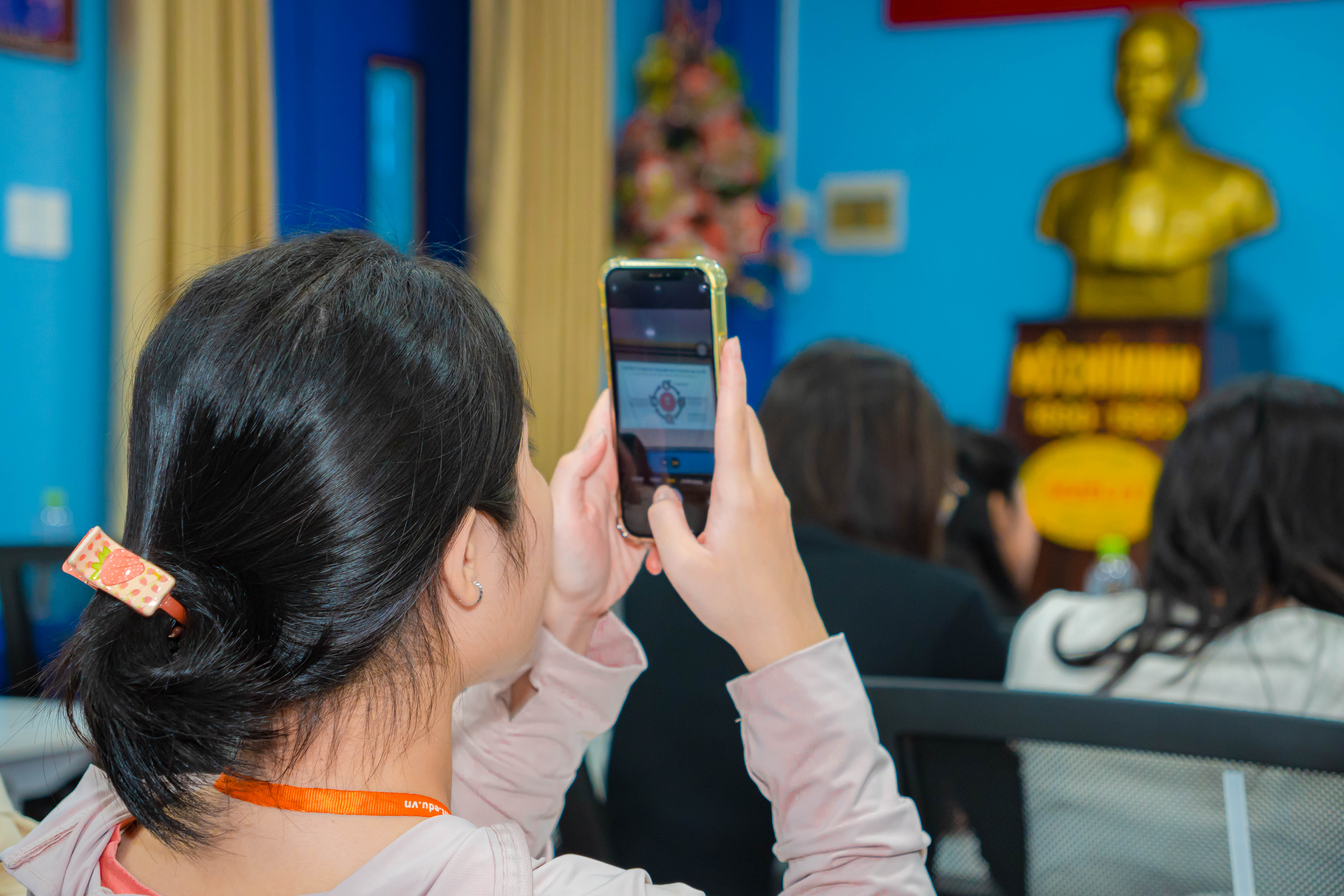

Students listening intently to the speaker’s advice
From recognition to active protection
Beyond recognising the risks, students were also shown how to install and use the SOS application from Ho Chi Minh City Police to check links, receive risk warnings and report phone numbers and accounts showing signs of fraud.
Speaker Huynh Do Tan Thinh stressed that the greatest strength of anti-fraud technology lies in its community nature: when individuals actively report a spam number or a fraudulent account to the SOS system, they are directly helping to build a solid shield protecting millions of other users around them.
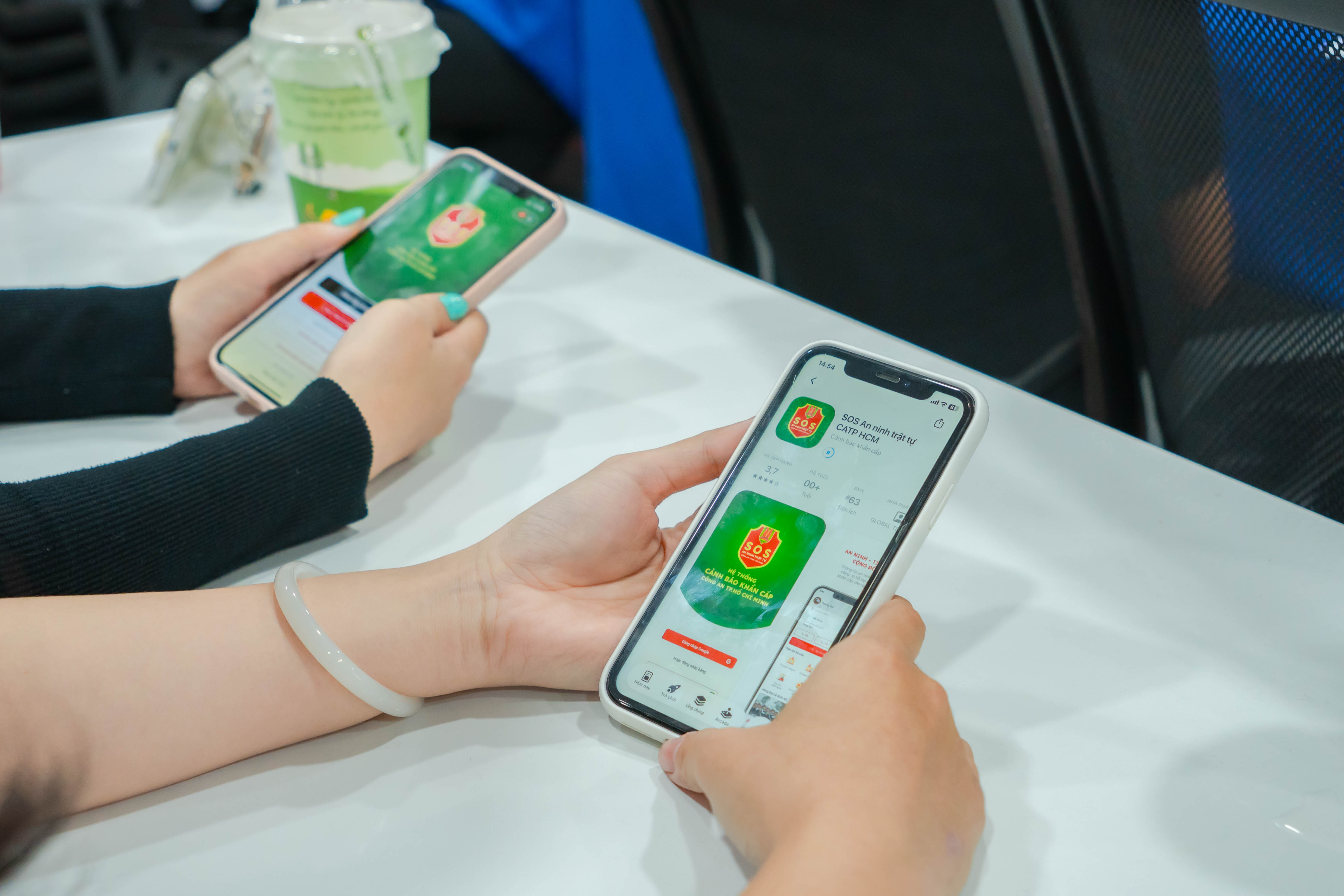
The SOS application from Ho Chi Minh City Police
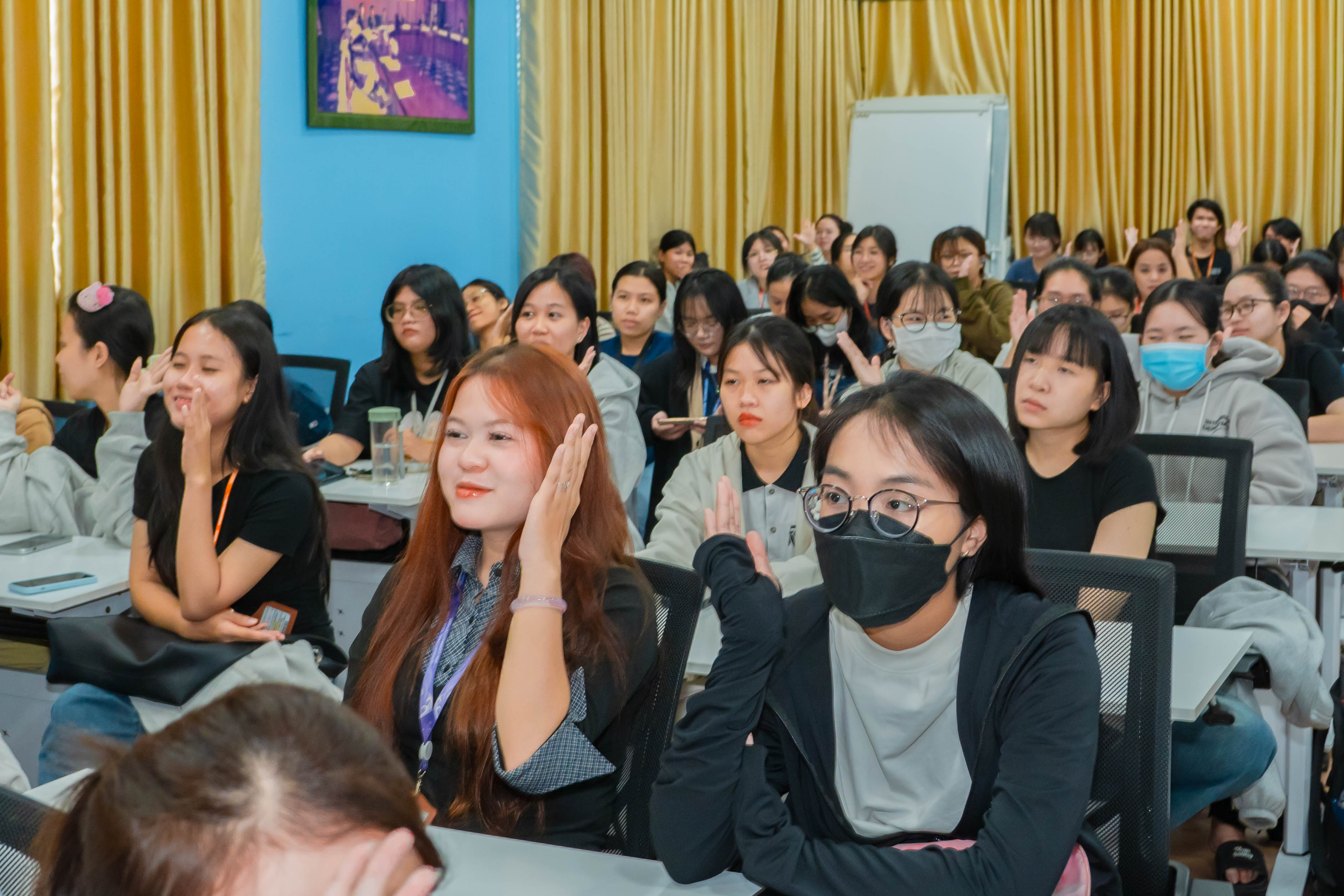
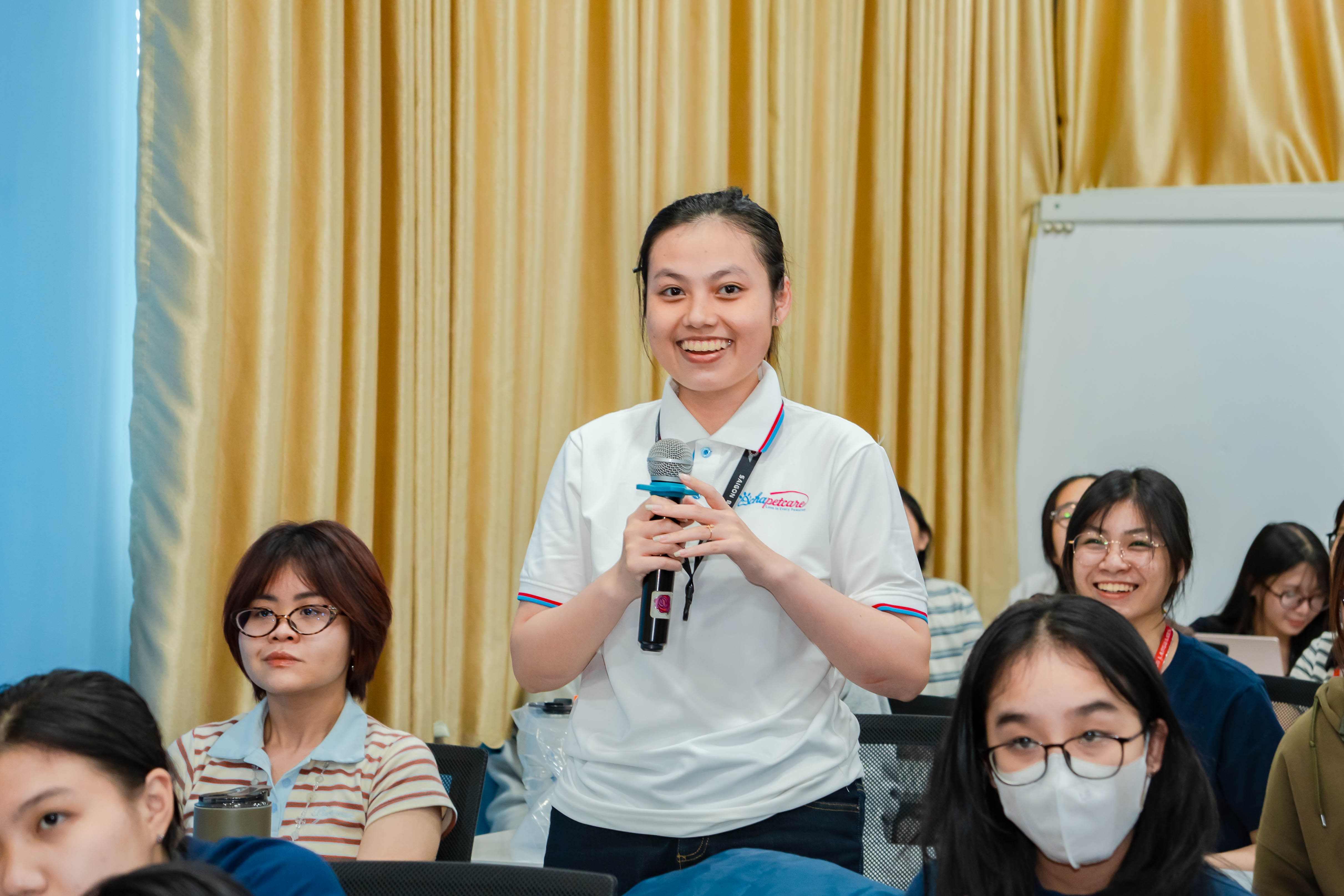
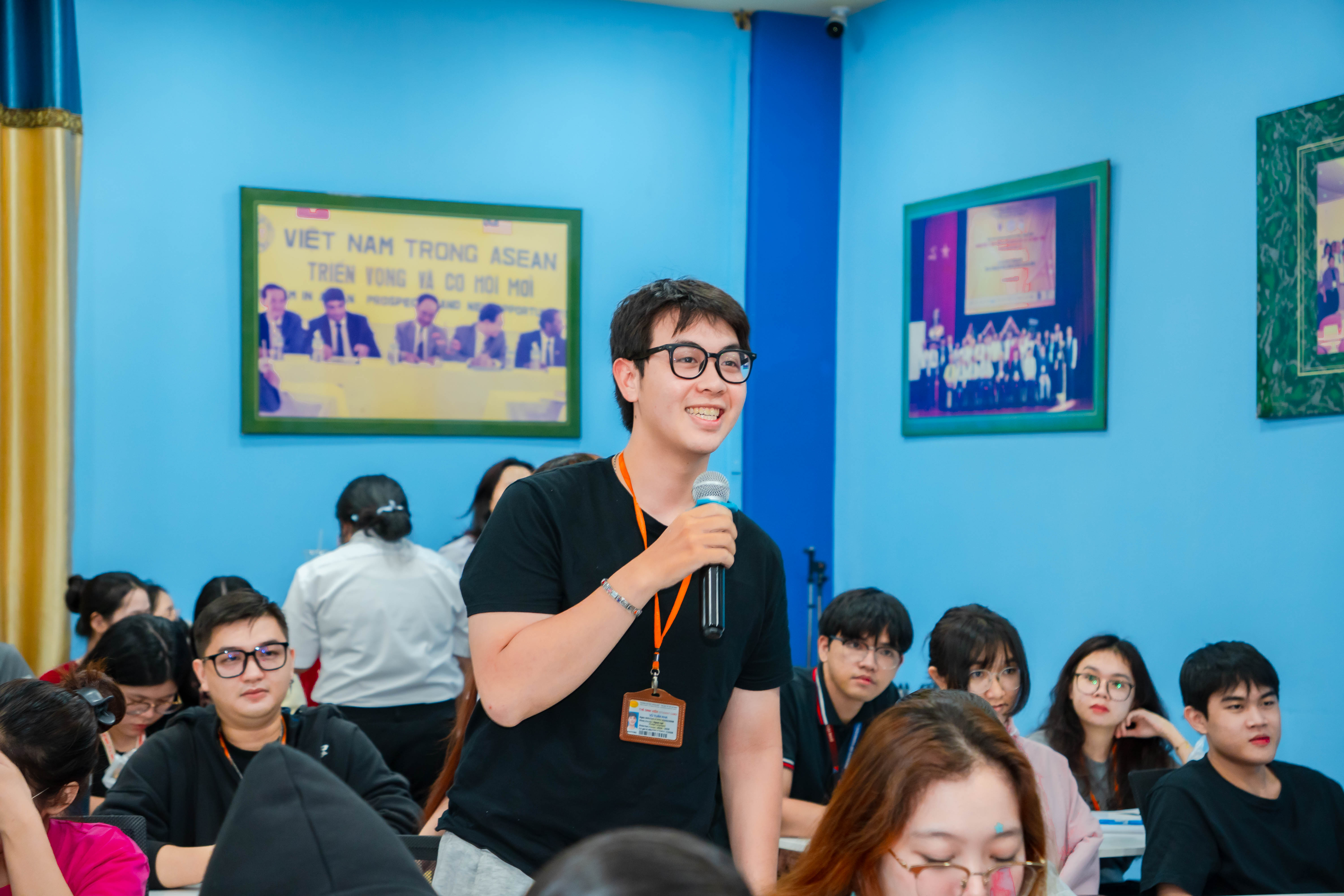
A lively atmosphere during the discussion with the speaker
Through the speaker’s insights and the interactive activities, the talkshow helped students raise their awareness, recognise forms of digital financial fraud and build the skills to protect themselves in study, work and online transactions. It is also one of HUFLIT’s practical activities supporting students in building a safe and responsible digital environment.
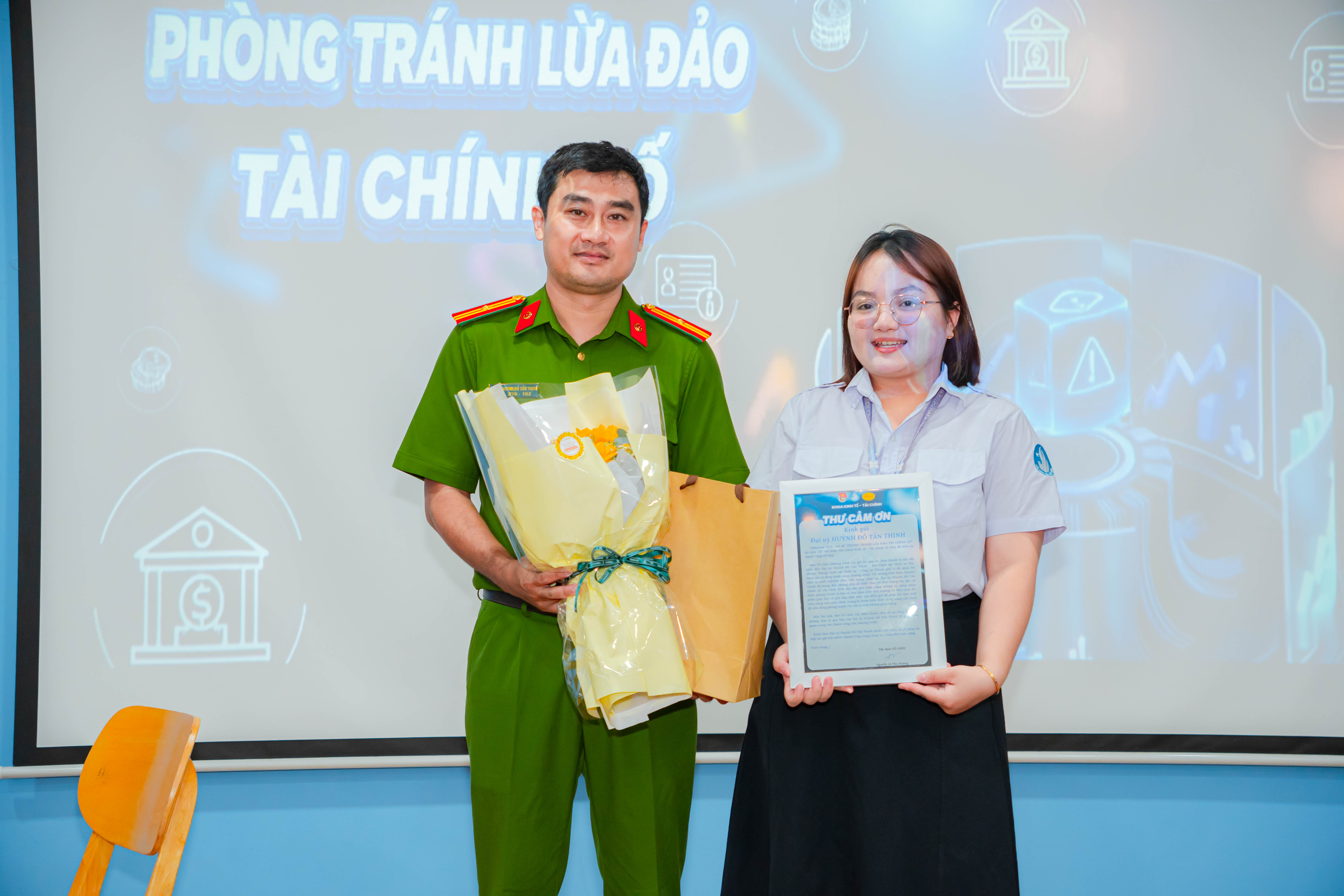
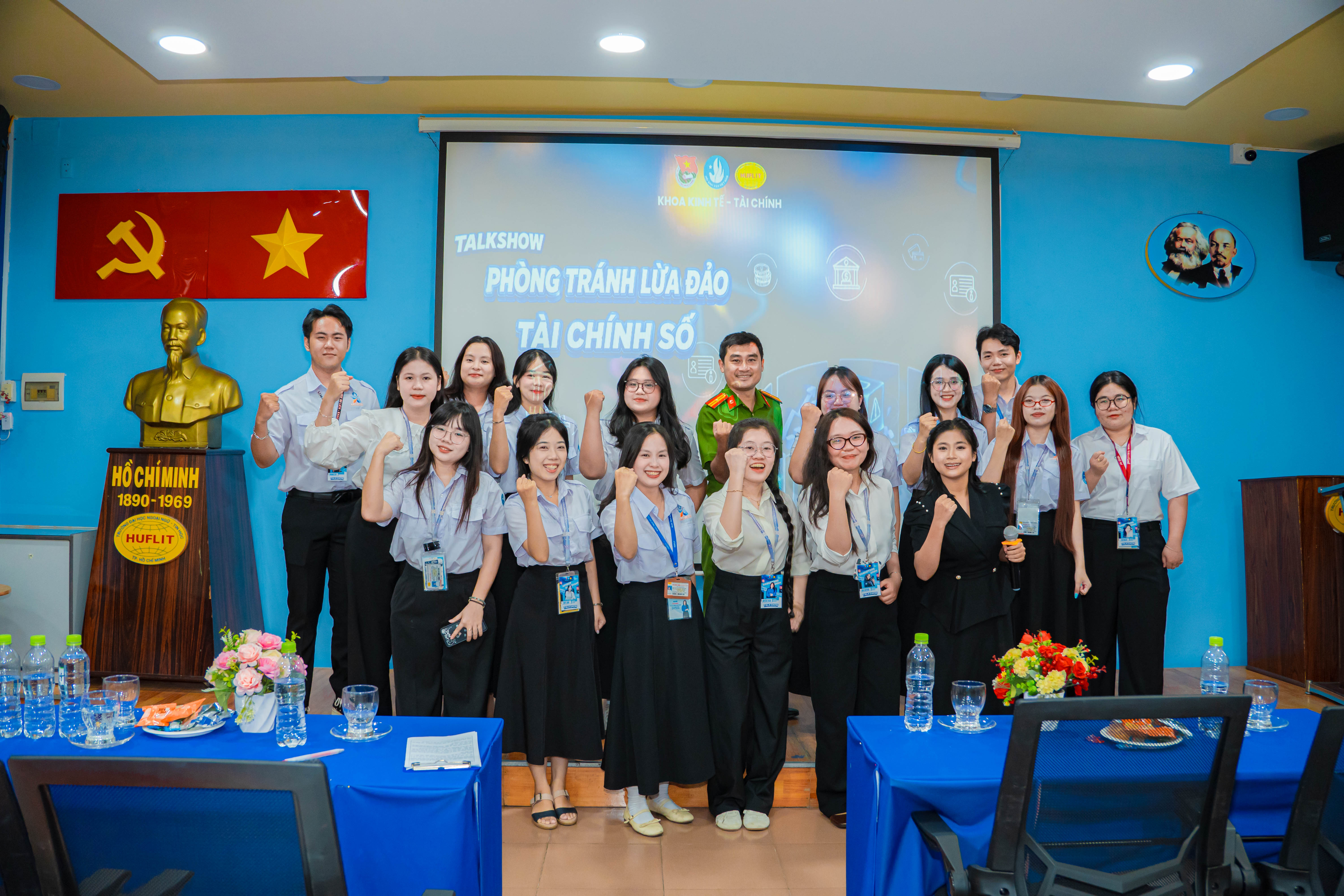
The speaker takes a commemorative photo with the organisers and representatives of the Faculty Student Associations
CONTACT INFO
Apply for admission at
tuyensinh.huflit.edu.vn
Find out information
huflit.edu.vn
Advising education enrollment