



-
Proud to be HUFLITers #07 | M.A. Tran My Uyen – A lectern where a teacher wishes only to “watch her children grow up”At the HUFLIT Faculty of Foreign Languages, M.A. Tran My Uyen (Vice Dean) goes by many names. Some call her “Ms My”; her students call her “mother”. Colleagues often compare her to Mother Au Co with a hundred children. Yet to become the “mother” of the lecture hall she is today, she went through a profound shift in thinking that completely changed a teaching philosophy built over more than 30 years.
-
New Cybersecurity Regulations: Opportunities for the Cybersecurity Field in the Digital EraThe new cybersecurity regulations taking effect on 1 July 2026 not only help complete the legal framework but also drive demand for talent in cybersecurity. This is also the moment when the discipline becomes a promising choice for young people who love technology and information security.
-
“GenZ Major Insights 2026” – Episode 9: Boundless Journeys with HUFLIT’s Tourism and Hospitality ProgramsMany students choose the Tourism and Hospitality field simply because they love to travel. But passion alone is not enough to pursue this field in the long run. What matters more is understanding the nature of the discipline, its professional requirements, and the qualities needed to grow in a professional service environment.
More Than 94% of HUFLIT Students Are Employed: When University Does Not Stop at a Degree
NGÀY: 11/05/2026
Chia Sẻ Qua
A learning environment may be modern and a field of study may be attractive, but if students still struggle to find work after graduation, those values will hardly become complete. That is why the post-graduation employment rate is gradually becoming one of the factors that parents and students care about more when choosing a university.
The post-graduation employment rate: A measure of the connection between training and practice
A university degree today is no longer an absolute “guarantee” of career opportunities. What makes the difference lies in how the learner has been prepared before entering the labour market.
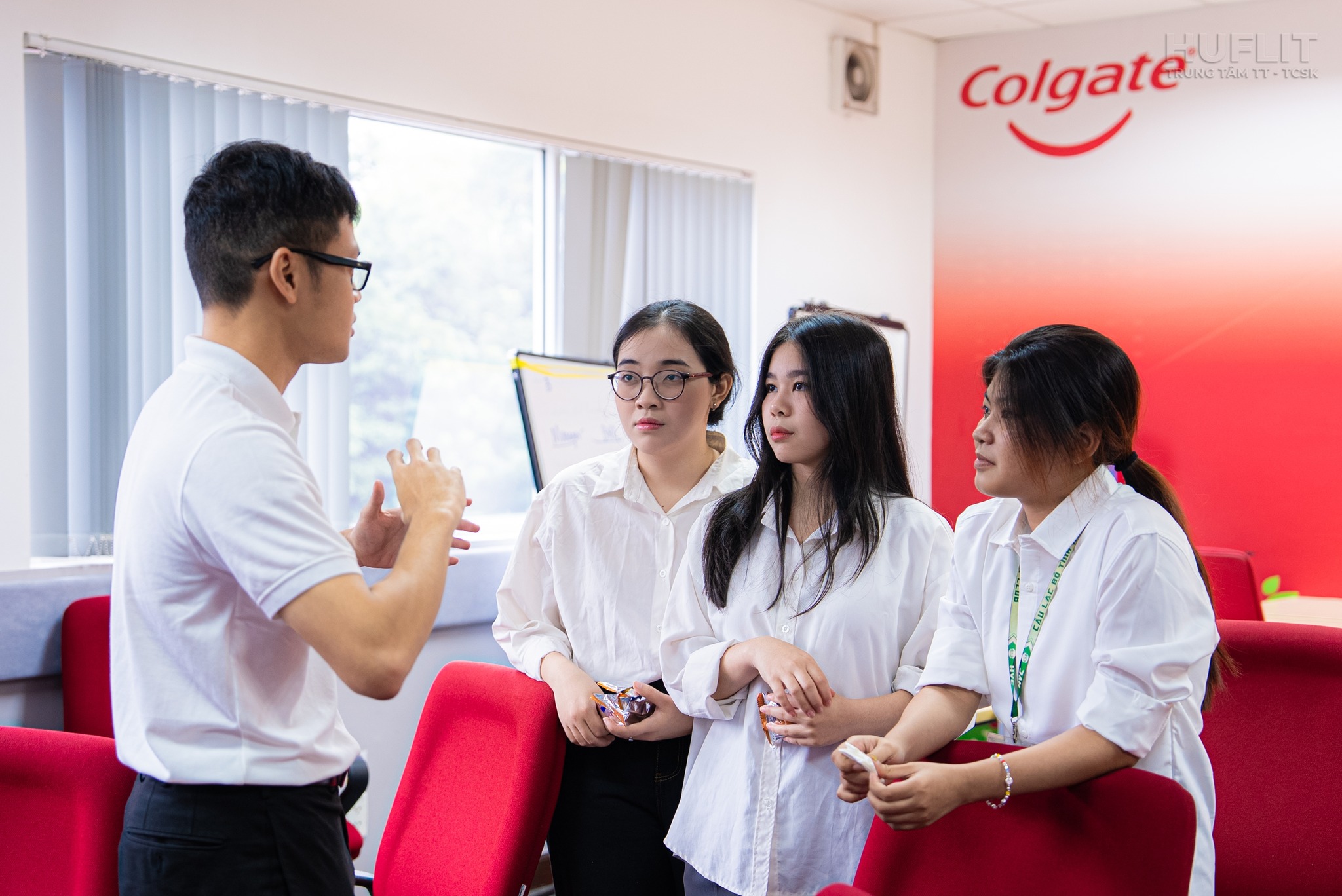
With a training orientation tied to practice, HUFLIT focuses on helping students access the professional environment while still studying, through internships, business experiences, skills workshops and careers programmes.
Connecting with more than 215 partner businesses across many fields gives students more chances to access the real working environment, clearly understand recruitment requirements and step by step accumulate experience before graduation.
It is this preparation process that contributes to an employment rate of more than 94%, while also showing the link between university training and the real needs of businesses.
Foreign languages and information technology: Two advantages that help students adapt to the labour market
In an increasingly competitive recruitment context, businesses look not only for candidates with professional knowledge but also require adaptability, foreign languages and technology skills.
This is also why HUFLIT orients its training around the strengths of foreign languages and information technology – two strategic tools that are gradually becoming a foundation in many career fields.

Foreign languages help students broaden their chances of working in an international environment, access specialised materials and increase their competitiveness when applying for jobs. Meanwhile, information technology is no longer a skill unique to one field but has become a common working tool in most areas: from business and communications to law, tourism and finance.
When they access professional knowledge, foreign languages and technology at the same time during their studies, HUFLIT students will have more advantages when they enter the real working environment.
From job opportunities to the ability to develop over the long term
Landing a first job after graduation is an important milestone, but not the final destination. What matters more is whether the learner has enough of a foundation to keep adapting and developing in an ever-changing labour market.
In a context where many professions are constantly fluctuating, the ability to learn, adapt and make real connections is becoming the decisive factor in the long-term development of each young person. This is also why choosing a university environment should not stop at “which field to study” but also “how I will be prepared for the future”.
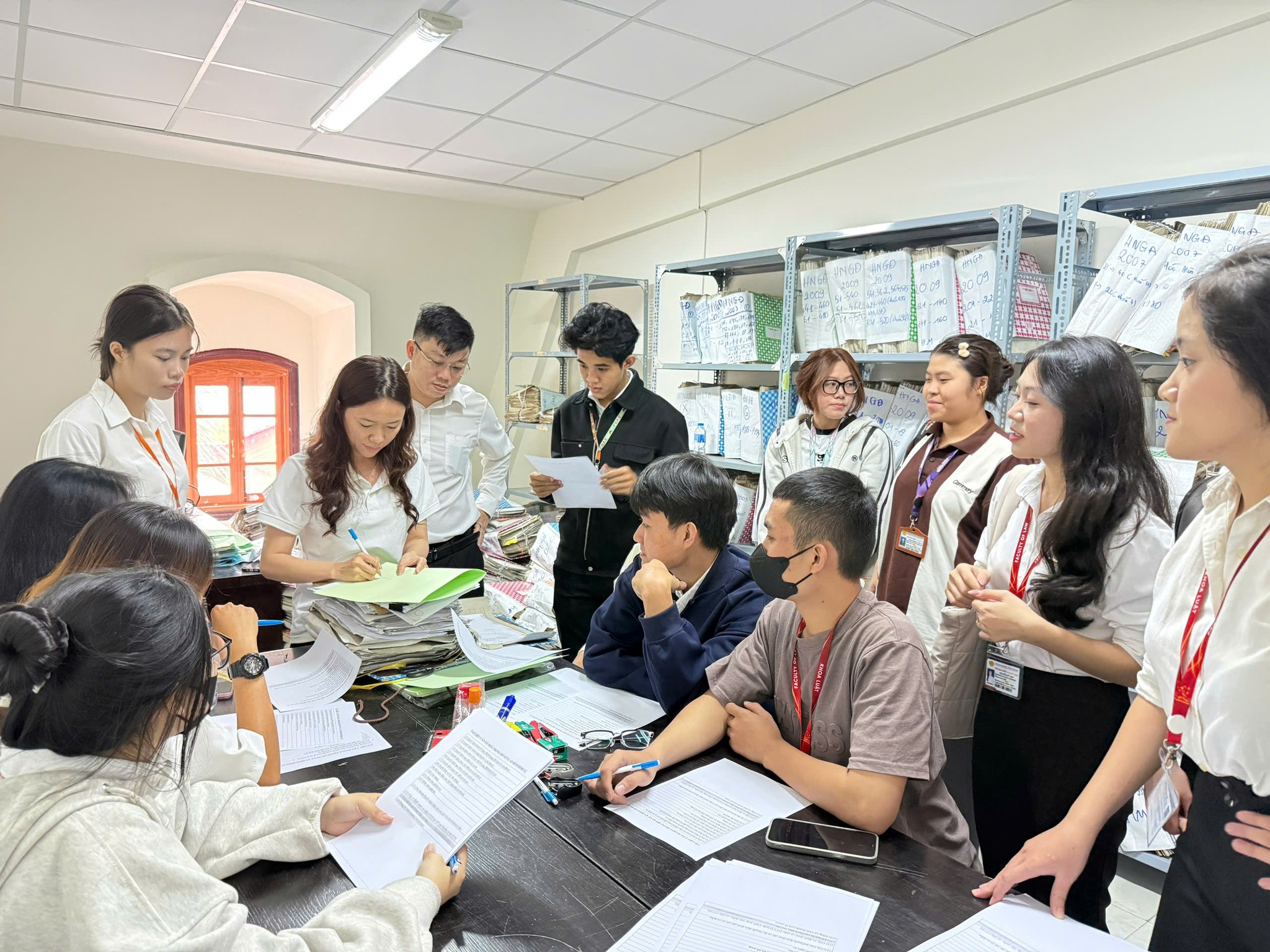
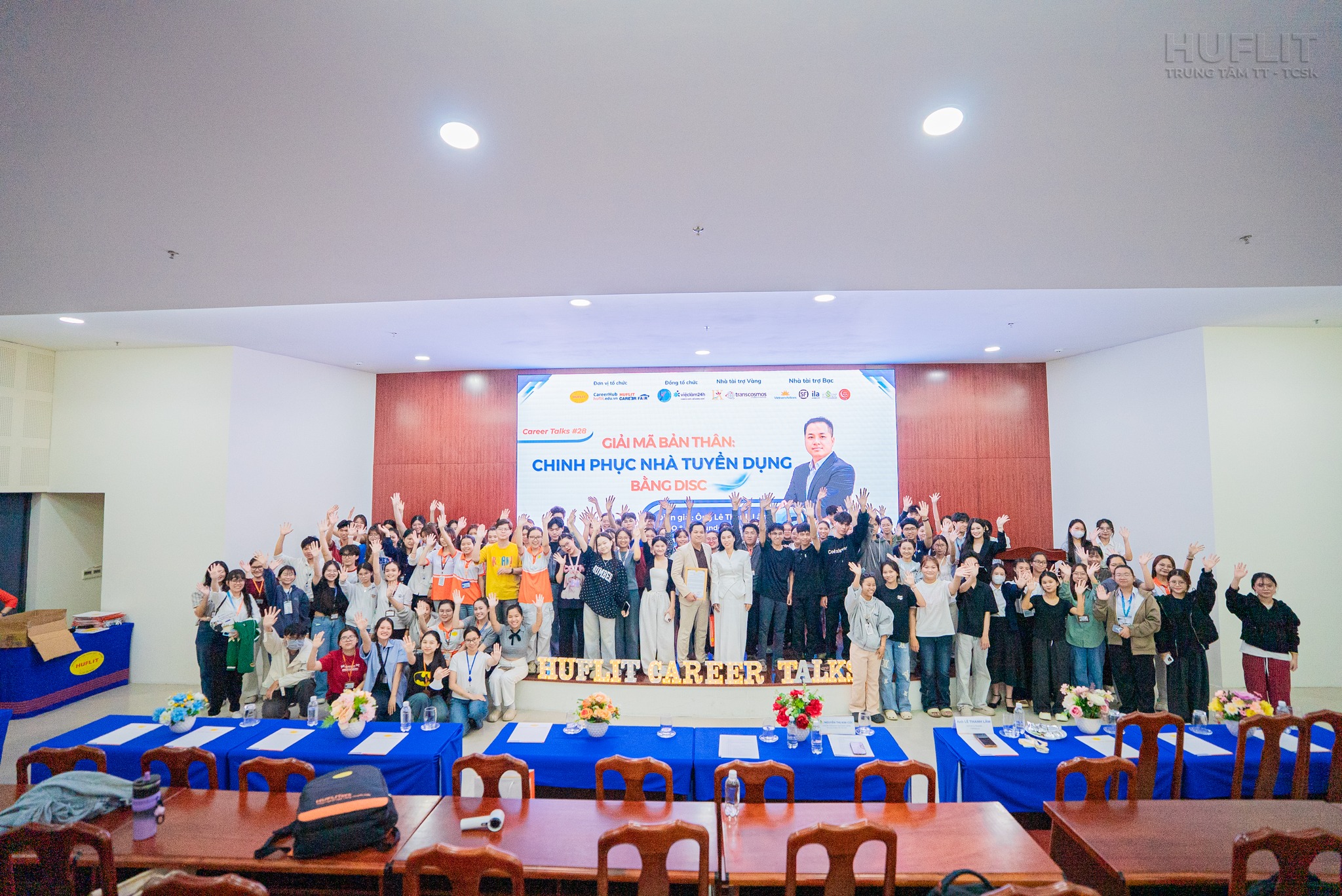
An employment rate of more than 94% after graduation is not only the result of the learners themselves but also reflects how a university environment connects training with professional practice. When they access businesses early and are equipped with foreign languages, information technology and real-world experience throughout their studies, students will have more chances to proactively enter the labour market. At HUFLIT, learning is aimed not only at a degree but at the learner’s ability to work and develop over the long term.
CONTACT INFO
Apply for admission at
tuyensinh.huflit.edu.vn
Find out information
huflit.edu.vn
Advising education enrollment